




What's New?

Brian Burmania and Don Watts won the D&R Sports Center Tournament Series on Cadillac and Mitchell lakes last weekend.

Scott Crocker fished alone and targeted docks with topwaters and jigs to win the Southwest Michigan Anglers Club title at Klinger Lake Saturday.
New Gear
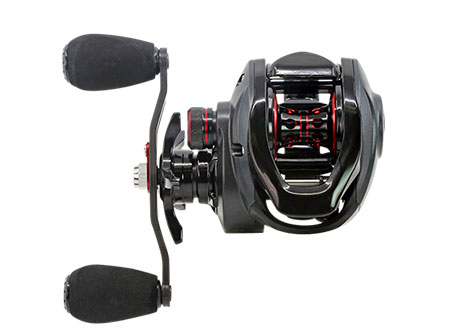
Okuma Fishing Tackle announces the all-new Eminent Baitcast Reel—a lineup of low-profile reels engineered to deliver refined design and performance at an unmatched value. The series introduces a distinctive audible drag click, giving anglers real-time feedback and heightened awareness when it matters most.
Newsflash


IBF Wawasee Benefit Tourney to offer Cash and Several Contingency Prizes
- Details
IBF Report
The 2026 Indiana Bass Federation Open Team Bass Tournament Benefiting Riley’s Children’s Foundation is slated for Saturday, July 18 at Lake Wawasee and Syracuse.
Entry fee is $100 if paid by July 10 and $110 thereafter and starting position will be determined in the order in which pre-entries are received. Positions of those entries received on the day of the tournament will be determined by a draw.
Tournament hours are 6:30 a.m.-2:30 p.m. The tournament will pay 1 place for every 5 teams entered to a maximum of 12 places and several special prizes will be offered. Also, Pro-Time Metal Roofing is guaranteeing $1000 for the biggest bass caught.
More than $6,500 was paid out in 2025 with another $5,350 donated to Riley Children’s Foundation.
Hosted by R and B Car Company , the tournament will launch at the Syracuse ramp.
Coffee and donuts will be available in the morning as well as hotdogs and cold drinks after the tournament. In addition, there is a drawing after the tournament
and many special contingency prizes will be awarded.
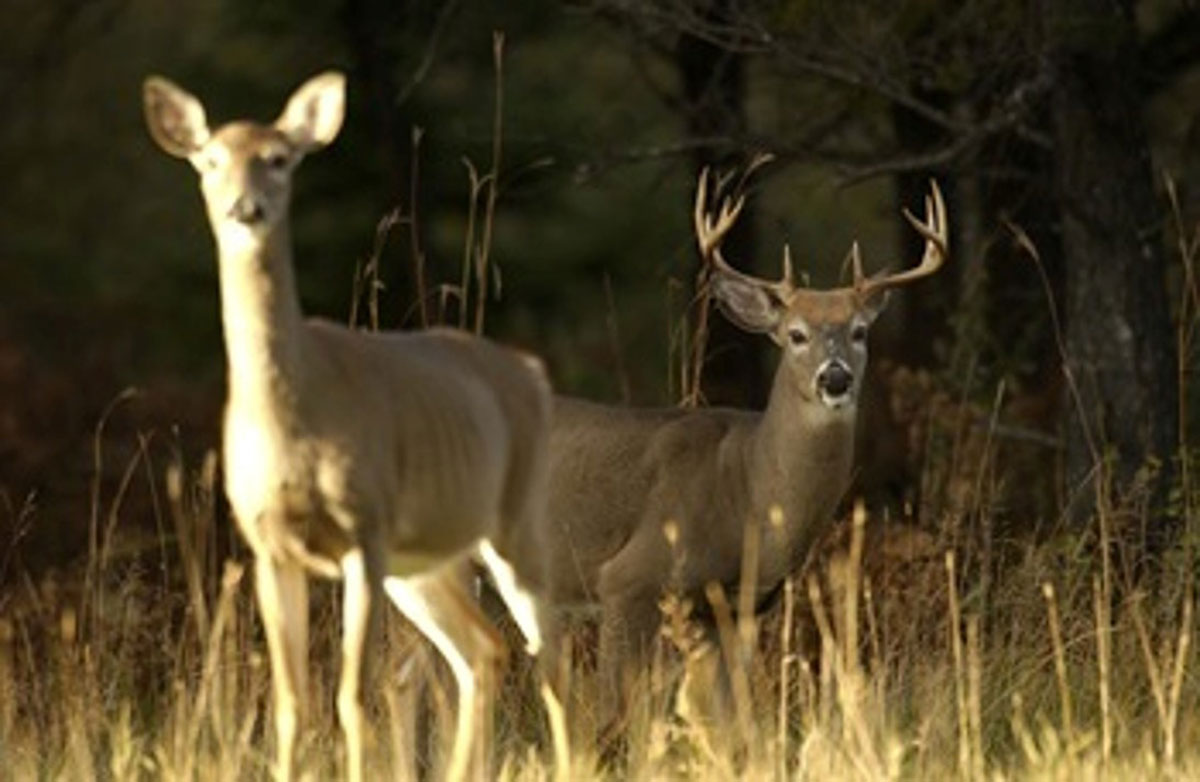
Michigan Announces Major Changes in Deer Limits, Regulations
- Details
MDNR Report
Following extensive public input, the Michigan Natural Resources Commission on Wednesday approved several deer regulation changes for the 2026 and 2027 hunting seasons.
The seven-member citizen commission, appointed by the governor, acted on and amended recommendations developed by the Michigan DNR to support healthy deer populations while balancing hunter opportunity and public feedback.
Under Michigan law, the NRC has the authority to issue wildlife orders and establish hunting regulations.
Changes for the 2026 deer seasons
The NRC's approved changes include:
- Elimination of the antlerless access drawing in the Upper Peninsula. Deer Management Units 351 and 352 have been rescinded. Hunters in the U.P. will only be able to use universal antlerless licenses in DMUs 022, 122, 155, 255, 121 and 055 during the 2026 season.
- Reduction of the Statewide Muzzleloader Season from 10 days to three days. The shortened season will begin on the first Friday in December. In the Lower Peninsula, any legal firearm may be used during this season, which will now be called the December Firearm Deer Season.
- Opening the Late Antlerless Season earlier, beginning on the Monday following the December Firearm Deer Season and continuing through Jan. 1. The season will be open across the Lower Peninsula except in Deer Management Units 245 (South Fox Island) and 145 (North Manitou Island). DMU 115 (Beaver and Garden islands) is now open for both early and late antlerless seasons.
- Elimination of the Limited Firearms Deer Zone in the Lower Peninsula, allowing the use of all legal firearms, including bottleneck cartridges, throughout the Lower Peninsula. Firearms larger than .22 rimfire are now permitted statewide.
- Authorization for residents with a valid senior deer license, senior deer combo license or senior antlerless deer license to use a crossbow during the Late Archery Deer Season in the U.P.
- Elimination of the Extended Late Antlerless and January Archery Seasons, concluding all deer hunting seasons after Jan. 1.
- Scheduling the Early Antlerless Firearm Deer Season to run concurrently with the Liberty Hunt during the second weekend in September. The Liberty and Early Antlerless seasons will be Sept. 12-13 this year.
- Authorization for the department to establish universal antlerless deer license use limits in consultation with the commission. The limits will be reviewed and published annually. This change applies limits on the number of universal antlerless licenses that hunters may use within individual DMUs or counties.
Page 1 of 285
Search





Advertise with Us!

Michiana Outdoors News provides advertisers a cost effective vehicle to target thousands of sportsmen across southern Michigan and northern Indiana.
Connect With Us