



What's New?
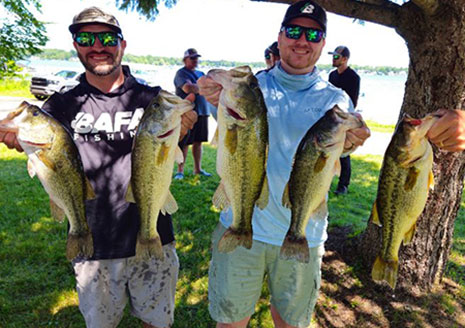
Bill Mathews and Kris Iodice continued their dominance at Diamond Lake, catching 13.65 pounds to win Saturday’s Southwest Michigan Anglers Club (SMAC) derby.
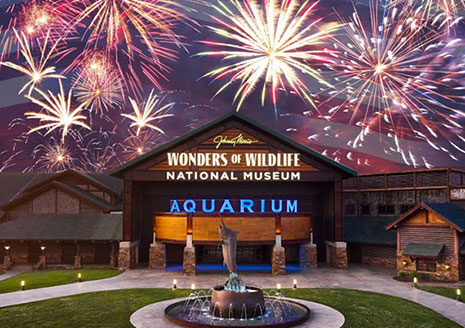
The not-for-profit Johnny Morris Wonders of Wildlife National Museum & Aquarium has been named America’s Best Aquarium for the 8th straight year.
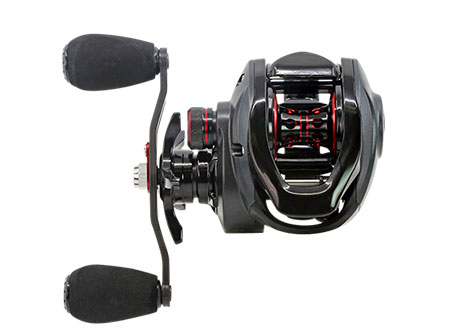
New Gear
Okuma Fishing Tackle announces the all-new Eminent Baitcast Reel—a lineup of low-profile reels engineered to deliver refined design and performance at an unmatched value. The series introduces a distinctive audible drag click, giving anglers real-time feedback and heightened awareness when it matters most.
Newsflash

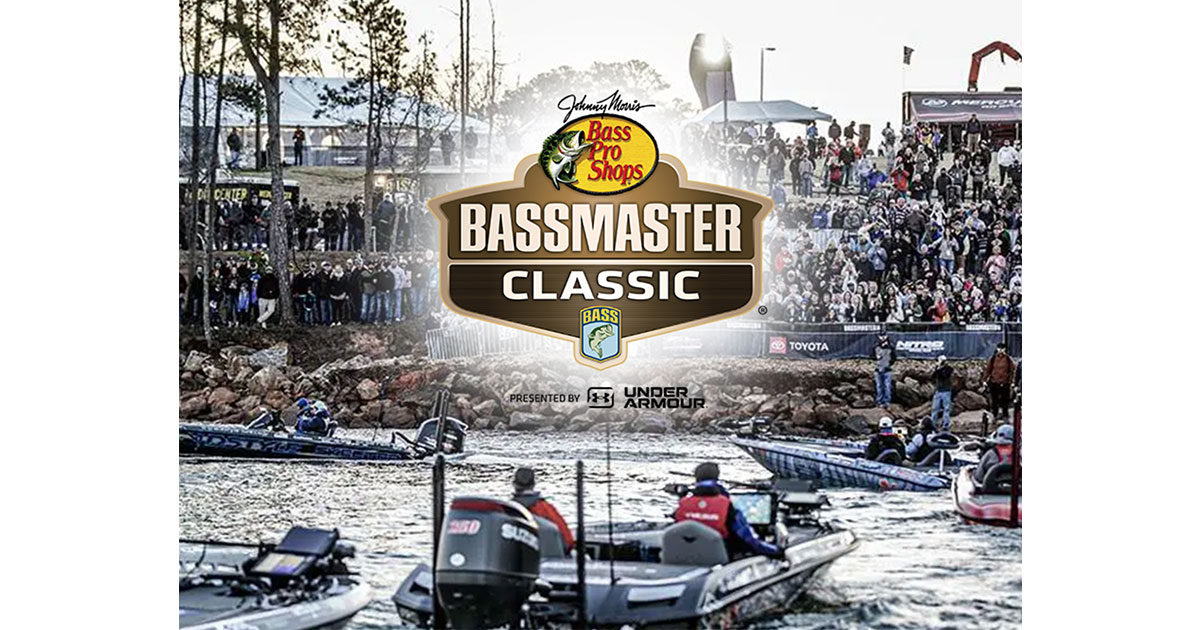
Lake Hartwell to host 2027 Bassmaster Classic
- Details
B.A.S.S. Report
B.A.S.S. announced this week that the 2027 Bass Pro Shops Bassmaster Classic presented by Under Armour will be held March 19-21, 2027, in Greenville, S.C., with tournament competition taking place on Lake Hartwell.
This will mark the fifth time the Super Bowl of Bass Fishing has visited the lake, setting the record for the most visits to a single venue in the history of the world championship and further cementing the reservoir’s reputation as one of the sport’s premier championship fisheries. Hartwell previously hosted the Classic in 2008, 2015, 2018 and 2022, producing some of the most memorable finishes in Classic history.
Past Classic champions on Lake Hartwell include Alton Jones, who won the 2008 Classic with 49 pounds, 7 ounces; Casey Ashley, who captured the 2015 title with 50-1; Jordan Lee, who earned the second of his two Classic victories in 2018 with 47-1; and Jason Christie, who claimed the 2022 championship with a winning total of 54-0.
“Lake Hartwell has consistently delivered elite-level competition and dramatic moments on bass fishing’s biggest stage, while Greenville and the surrounding Upstate region have proven to be outstanding hosts for anglers and fans alike,” said B.A.S.S. CEO Chase Anderson. “The combination of a world-class fishery, an engaged fan base and strong community partnerships makes the area an ideal setting for the 2027 championship.”
Louie Talks License Fees, Wake Boats and other Political Moves
- Details
By Louie Stout
License Increase
You can bet your most expensive glide bait that Michigan fishing and hunting licenses will be going up next year. There’s a bill moving through the state legislature to boost fees although the specifics are up in the air.
But Michigan Governor Gretchen Whitmer – the same person who didn’t want you fishing during covid – has other plans. She wants to increase all fees, bumping resident fishing licenses from $25 to $30 and non-resident from $75 to $90.
Resident deer tags would go from $20 to $25.
We haven’t heard any specifics of increases to senior licenses, or boating registration fees, but you can bet those will be included too.
Natural Resources Commission Ban?
There’s also a bill in the Indiana Legislature that would abolish the Indiana Natural Resources Commission. The NRC sets hunting fishing seasons and oversees parks. Typically, the NRC is politically appointed but oftentimes includes conservation minded people. This bill sounds like a bad idea.
Wake Boat Legislation
I don’t know an angler who likes fishing around wake boats. Those tsunami wave makers are not only a nuisance, but their wakes are dangerous for small boats.
There’s a bill in the Indiana Legislature that prohibits wake surfing on lakes 300 acres or less after sunset.
They also destroy shorelines and cause problems for docked boats, which is why Kentucky is trying to pass a law to prevent them from operating within 200 feet of shore on some of its lakes.
No idea if either of these will pass into law, but at least it’s an attempt to control the out-of-control wake boarding on lakes. I’d like to see a law that restricts the distance that a wave maker can come to a fishing boat.
Page 10 of 285
Search


Advertise with Us!

Michiana Outdoors News provides advertisers a cost effective vehicle to target thousands of sportsmen across southern Michigan and northern Indiana.