




What's New?
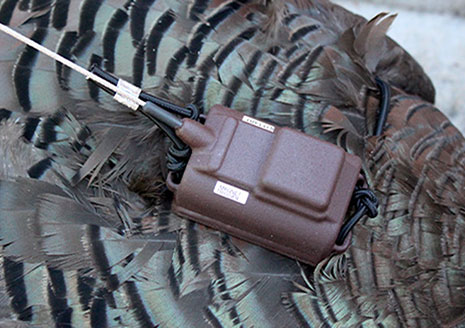
Michigan’s woods are beginning to stir this spring — and so is the science behind wild turkey management. This year, wildlife science in the state is getting a major boost. For the first time in Michigan history, researchers are launching a long-term, large-scale study of wild turkey populations.
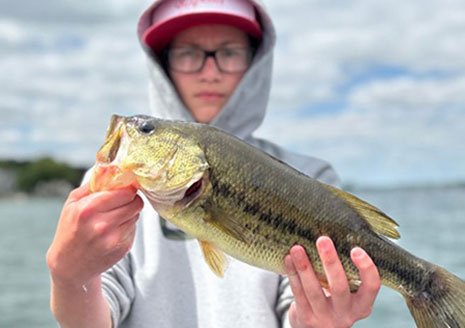
There’s something about early spring tournaments in Northern Indiana as you never quite know what you’re going to get. Between the weather, water conditions, and how fast things can change this time of year, every decision feels magnified.
New Gear
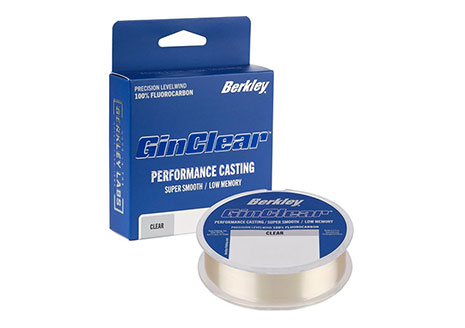
When every cast matters, line performance makes all the difference. Enter Berkley GinClear, Berkley’s premium fluorocarbon, delivering a super smooth feel, unmatched flexibility, and ultra-low memory in a high-performance package built for serious anglers. Designed to maximize casting performance and eliminate the frustrations of traditional fluorocarbon lines, GinClear makes every cast feel like the first one out of the box.
Newsflash


Late Goose Season Opens Feb. 1
- Details
Indiana will again offer a late season for Canada geese that targets urban geese.
The season runs Feb. 1-15 in the following counties in northern Indiana: Adams, Allen, DeKalb, Elkhart, Kosciusko, LaPorte, LaGrange, Marshall, Noble, St. Joseph, Steuben, Starke, and Whitley.
The bag limit is three Canada geese per day (possession limit 9) while shooting hours are from one-half hour before sunrise to sunset. Hunters must have an Indiana hunting license, Indiana waterfowl stamp, federal waterfowl stamp, and a HIP number to participate.
Michigan's Poaching Hotline Helps Get the Bad Guys
- Details
(Provided by Michigan DNR)
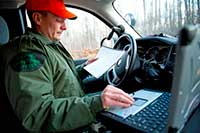 Field officers maintain contact with the RAP room when a report is filed.The sign - Law Enforcement Communications Section - is as nondescript as the standard office door on an unadorned white wall deep within the recesses of Lansing's Constitution Hall.
But inside that secured door is a non-stop center of activity: the RAP Room.
The RAP (Report All Poaching) Room is staffed 24/7 by as many as seven personnel at a time. It is the main link between the public and the Michigan DNR Law Enforcement Division.
The Report All Poaching hotline was created in 1980 when the state Legislature designated a small percentage of the money raised by hunting and fishing license sales toward developing an easy method for citizens to report illegal hunting and fishing activity to the DNR. It has grown into a 1,000-square-foot room, outfitted with the kind of high-tech equipment one often finds at county or state regional dispatch centers. At each of the workstations, six computer dispatchers working in the RAP Roomscreens give dispatchers as much information as they could possibly need to direct the state's conservation officers to the scene of a complaint - and what the COs need to know once they get there.
Computer screens display information on the current location of COs (through the GPS monitoring equipment on their patrol vehicles), as well as access to the state's Law Enforcement Information Network, the state's licensing records, the radio system, the Internet, and even the criminal history of those whom the COs contact.
Page 153 of 282
Search





Advertise with Us!

Michiana Outdoors News provides advertisers a cost effective vehicle to target thousands of sportsmen across southern Michigan and northern Indiana.
Connect With Us