




What's New?
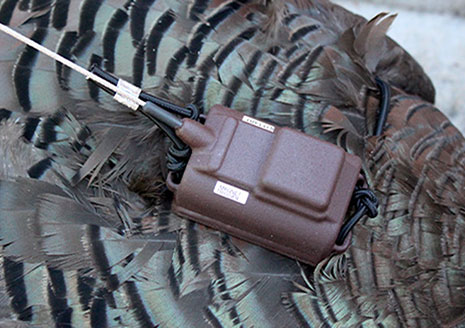
Michigan’s woods are beginning to stir this spring — and so is the science behind wild turkey management. This year, wildlife science in the state is getting a major boost. For the first time in Michigan history, researchers are launching a long-term, large-scale study of wild turkey populations.
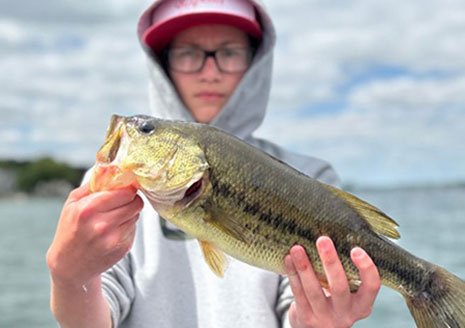
There’s something about early spring tournaments in Northern Indiana as you never quite know what you’re going to get. Between the weather, water conditions, and how fast things can change this time of year, every decision feels magnified.
New Gear
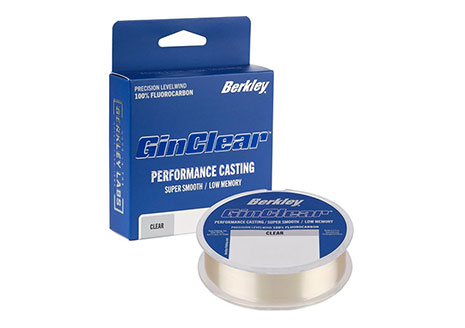
When every cast matters, line performance makes all the difference. Enter Berkley GinClear, Berkley’s premium fluorocarbon, delivering a super smooth feel, unmatched flexibility, and ultra-low memory in a high-performance package built for serious anglers. Designed to maximize casting performance and eliminate the frustrations of traditional fluorocarbon lines, GinClear makes every cast feel like the first one out of the box.
Newsflash


Biologists’ Surveys Reveal What’s Hot On Area Lakes
- Details
By Louie Stout
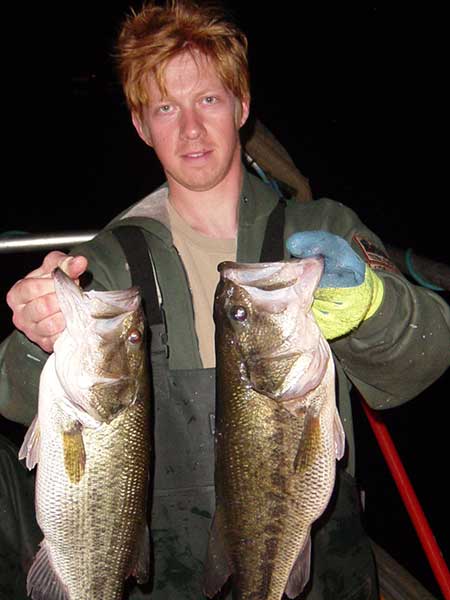 DNR Naturalist Aide Casey Jones holds a pair of big Worster Lake bass captured during a spring survey.You might want to include these northern Indiana lakes in your fishing trips next season:
- Bass Lake for walleyes and panfish.
- Lake Maxinkuckee for bass, perch, bluegills and walleyes.
- Lake of the Woods for bass and white bass.
- Worster Lake (Potato Creek State Park) for bass and hybrid stripers.
Those recommendations are based upon some observations made by Indiana DNR biologist Tom Bacula, who spent October researching young walleye populations on those lakes.
Each fall, biologists go into lakes that have been stocked with walleyes to assess how the young fish are doing.
River Smallies Doing Well
- Details
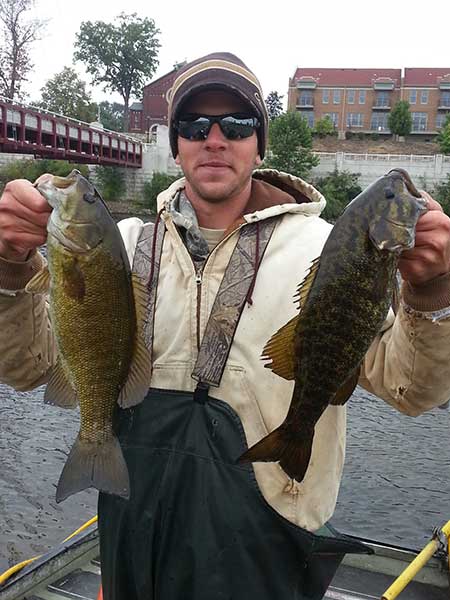 DNR Naturalist Guide Nathan Herman shows off a couple of nice smallmouth captured during a research project.The St. Joseph River smallmouth bass population is alive and well.
That’s the report from Indiana fisheries biologists who spent six days this month on the river from Bristol, Ind. to the Michigan state line while studying the bass population, tagging fish and collecting data.
Their work well help them monitor Indiana’s new slot size limit in which fish measuring 12 to 15 inches are protected. Under the recent law change, anglers may keep five bass, but only two can be over 15 inches.
The research team handled more than 1,000 bass, including some largemouth, during the study. Of those fish, 150 were tagged with metal tags on the fishes’ upper lips. Anglers who catch tagged fish are encouraged to gently remove the tag and contact the DNR with information about the number on it, size of the fish and where it was caught. Bass Pro Shops gift cards will be awarded to several who report them.
Page 200 of 282
Search



Advertise with Us!

Michiana Outdoors News provides advertisers a cost effective vehicle to target thousands of sportsmen across southern Michigan and northern Indiana.
Connect With Us