




What's New?
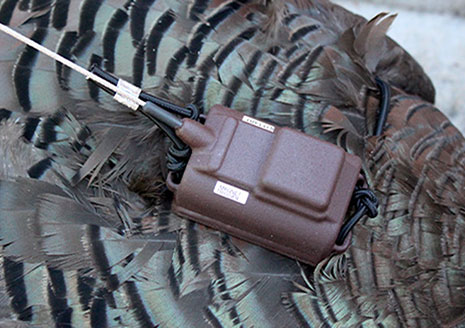
Michigan’s woods are beginning to stir this spring — and so is the science behind wild turkey management. This year, wildlife science in the state is getting a major boost. For the first time in Michigan history, researchers are launching a long-term, large-scale study of wild turkey populations.
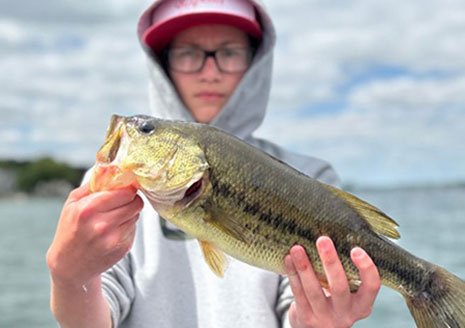
There’s something about early spring tournaments in Northern Indiana as you never quite know what you’re going to get. Between the weather, water conditions, and how fast things can change this time of year, every decision feels magnified.

New Gear
When every cast matters, line performance makes all the difference. Enter Berkley GinClear, Berkley’s premium fluorocarbon, delivering a super smooth feel, unmatched flexibility, and ultra-low memory in a high-performance package built for serious anglers. Designed to maximize casting performance and eliminate the frustrations of traditional fluorocarbon lines, GinClear makes every cast feel like the first one out of the box.
Newsflash


Another Black Bear Sighting Confirmed in Southern Indiana
- Details
IDNR Report
DNR biologists have confirmed a black bear sighting that occurred in northeast Vanderburgh County before sunrise this morning. The closest town to the location is Elberfeld, in Warrick County.
Biologists confirmed the bear from photos taken by the landowner.
“This is Indiana’s fourth confirmed black bear,” said Brad Westrich, DNR mammalogist. “With expanding bear populations in neighboring states, this is expected.
“Human-bear conflicts can be avoided if you remove or secure potential food sources from your yard. Bears can smell food from more than a mile away.”
Black bears are rarely aggressive toward humans.
Dying Indiana Birds Forces DNR to Recommend Removal of Birdfeeders
- Details
IDNR Report
The Indiana DNR has received reports of sick and dying songbirds from 15 counties statewide. As the investigation continues, the DNR recommends all Hoosiers remove their birdfeeders statewide.
The 15 counties are Clark, Delaware, Hamilton, Jackson, Jefferson, Johnson, LaGrange, Lake, Marion, Monroe, Newton, St. Joseph, Union, Washington, and Whitley.
The DNR is working with the Indiana Animal Disease Diagnostic Laboratory (IN ADDL) and the USGS National Wildlife Health Center to determine the birds’ cause of death.
The affected songbirds showed neurological signs of illness as well as eye swelling and crusty discharge.
Page 64 of 282
Search





Advertise with Us!

Michiana Outdoors News provides advertisers a cost effective vehicle to target thousands of sportsmen across southern Michigan and northern Indiana.
Connect With Us