




What's New?
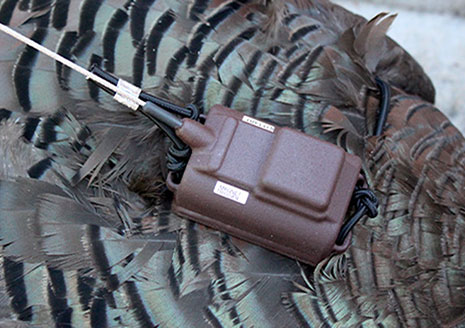
Michigan’s woods are beginning to stir this spring — and so is the science behind wild turkey management. This year, wildlife science in the state is getting a major boost. For the first time in Michigan history, researchers are launching a long-term, large-scale study of wild turkey populations.
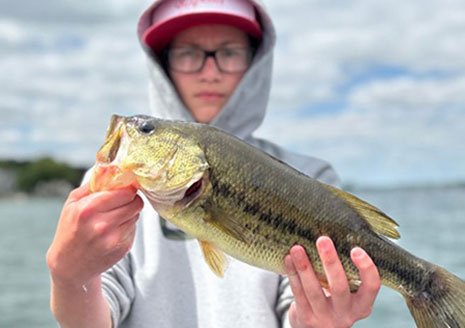
There’s something about early spring tournaments in Northern Indiana as you never quite know what you’re going to get. Between the weather, water conditions, and how fast things can change this time of year, every decision feels magnified.
New Gear
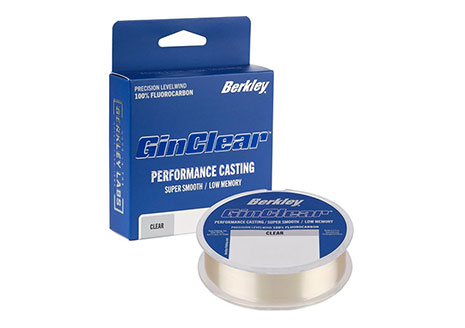
When every cast matters, line performance makes all the difference. Enter Berkley GinClear, Berkley’s premium fluorocarbon, delivering a super smooth feel, unmatched flexibility, and ultra-low memory in a high-performance package built for serious anglers. Designed to maximize casting performance and eliminate the frustrations of traditional fluorocarbon lines, GinClear makes every cast feel like the first one out of the box.
Newsflash


Where Do Michigan Walleyes Come From? Here’s Your Answer
- Details
(Provided by Michigan DNR)
 Biologists working shock boat capture walleyes for egg taking purposes.As many anglers know, much of Michigan’s inland-waters walleye fishery is supported by hatchery-raised fish. What many don’t know is that the source of those fish - the Muskegon River, below Croton Dam - is supported by hatchery-raised fish, too.
"There’s not a lot of natural reproduction in the system,” said Rich O’Neal, the Department of Natural Resources fisheries biologist who oversees the Muskegon River watershed. “We’re getting very low production in the river. We’re not sure why, but we think water velocity or water temperature could have something to do with it. We know we get good natural reproduction further upstream.”
“There are 3 to 4 billion eggs laid here when they’re spawning, but we’re just not getting fry production.”
It took a stocking effort to rebuild the Muskegon River population after it collapsed in the 1960s. O’Neal said sea lamprey predation - the preying of one animal on another - on adult walleyes was part of the problem, but alewife predation on juveniles also was a factor. “We saw that all over the Great Lakes,” he said.
Steelhead Tops Area Fishing; Inland Lake Fishing Improves Daily
- Details
By Louie Stout
Steelhead fishing continues to provide good action on the St. Joseph River, while lake fishing is slowly coming around.
Steelhead continue to filter into the river although the spring run is near its peak. More than 2,800 steelhead have moved into South Bend so far and anglers are enjoying success.
“There’s a lot of fish on the gravel right now,” said Dick Parker of Central Park Bait in Mishawaka. “The river is in great shape; a little low but the water is clean. I know of a few 12-pounders being caught.”
Flies, fresh spawn and Corkies drifted over the gravel have been good baits.
Page 143 of 282
Search





Advertise with Us!

Michiana Outdoors News provides advertisers a cost effective vehicle to target thousands of sportsmen across southern Michigan and northern Indiana.
Connect With Us