




What's New?
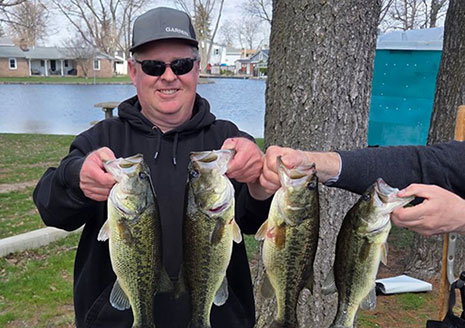
Loren Crosbie caught the only limit to win the Michiana Singles season opener Sunday at Lake Wawasee.
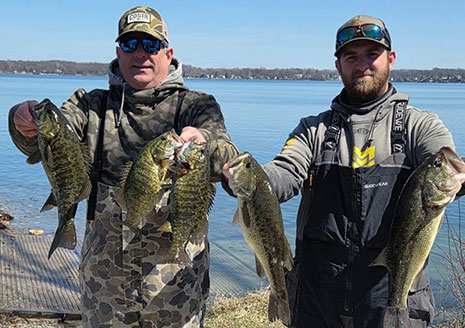
Ten teams showed up at Lake Maxinkuckee Saturday for the Casting Couples Open, and the fish cooperated despite chilly weather.
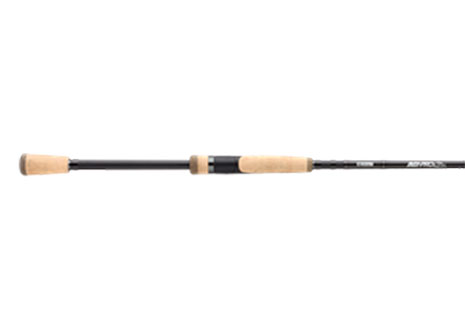
New Gear
G. Loomis announces the expanded and redesigned IMX-PRO BASS Bottom Contact lineup, engineered for anglers who demand unwavering performance and precisely tuned tools for bottom-oriented techniques.
Newsflash


Northern Indiana’s Walleye Future Got Brighter
- Details
By Louie Stout
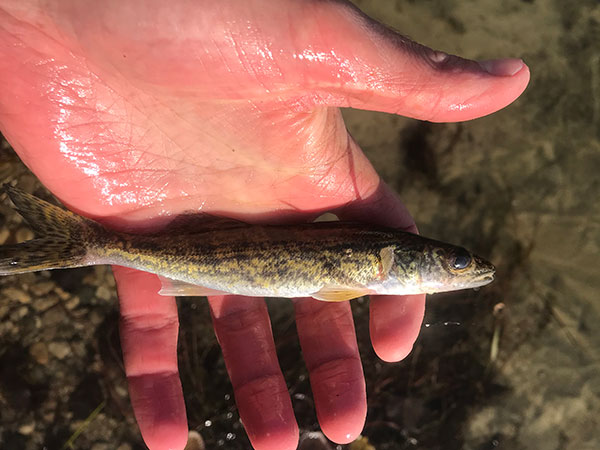 Walleye fingerling
If things go as planned, northern Indiana will offer much better walleye fishing in the coming years.
We can say that because of positive changes the Indiana DNR is making in its hatchery program and philosophy for raising and stocking walleyes.
Prior to this year, the state mostly stocked smaller, 2-inch fish with hopes that several would survive and grow into a contributing fishery. Those fish were the offspring of adult walleyes captured in nets at Brookville Reservoir in southern Indiana.
Some lakes were being supplemented with larger, commercial hatchery fish and those waters had a higher success rate. The DNR annually purchases about 35,000 larger ‘eyes from commercial hatcheries.
Walleye Club, DNR Stock the St. Joseph River
- Details
By Louie Stout
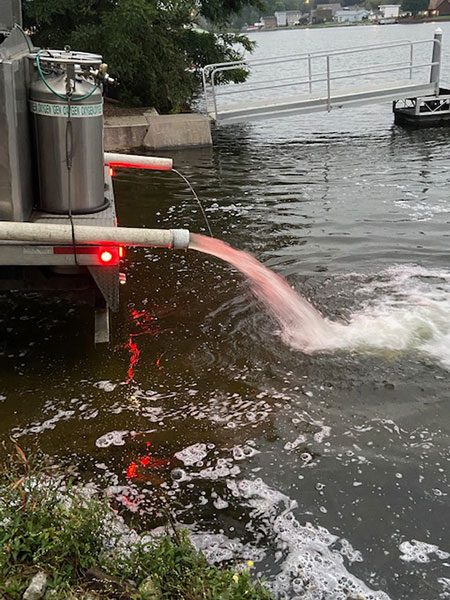 Walleye Stocking
The St. Joseph River walleye stocking program got another boost last month, thanks to the efforts of the Michiana Walleye Association (MWA) and the Indiana DNR.
Some 12,000 6- to 8-inch walleyes were stocked at Maggies Landing in Mishawaka. The fish were raised by Gollon Bait and Fish Farm in Wisconsin.
The DNR purchased 10,000 of those while the Michiana Walleye Club, which has been the driving force in Indiana’s St. Joseph River stocking since 1995, purchased the other 2,000.
The club pays for the fish through its fund-raisers held at the club grounds and donations it receives from individual anglers and businesses.
The walleyes are stocked every other year. According to Indiana DNR officials, the survival rate of those fish stocked is estimated to be around 34 percent.
Barry Ukele, a MWA founder and spearhead for the stocking program, said this year’s fish appeared to be in great shape and should contribute to the fishery in the years to come.
The St. Joe has become a viable walleye fishery since the mid-1990s. Catching big walleyes there can be tricky, but surveys show they are there.
Anglers who catch the young walleye over the upcoming months are urged to handle them with care and return them to the water quickly.
Page 60 of 281
Search



Advertise with Us!

Michiana Outdoors News provides advertisers a cost effective vehicle to target thousands of sportsmen across southern Michigan and northern Indiana.
Connect With Us