




What's New?
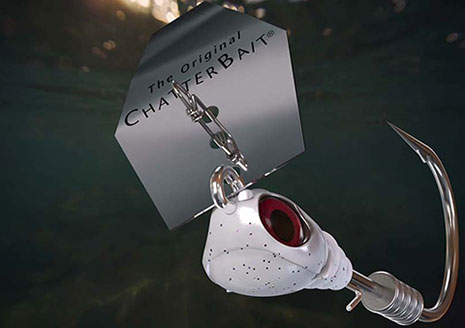
Introduced in 2005, the ChatterBait bladed jig was the result of years of experimentation by Ron Davis, Sr., a lifelong tinkerer with a background in research and development who refined blade shape, placement and vibration.
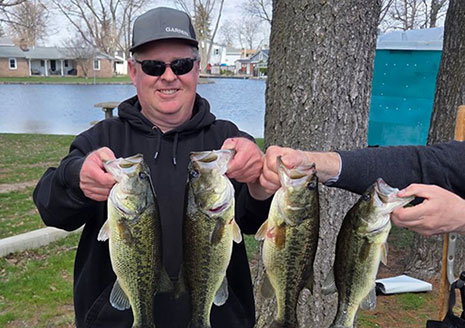
Loren Crosbie caught the only limit to win the Michiana Singles season opener Sunday at Lake Wawasee.
New Gear
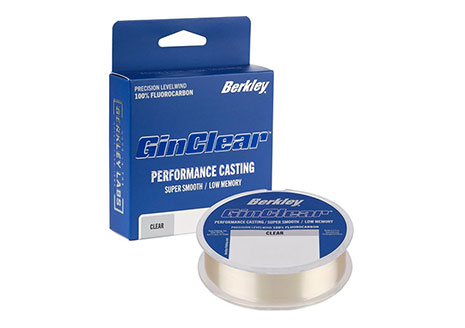
When every cast matters, line performance makes all the difference. Enter Berkley GinClear, Berkley’s premium fluorocarbon, delivering a super smooth feel, unmatched flexibility, and ultra-low memory in a high-performance package built for serious anglers. Designed to maximize casting performance and eliminate the frustrations of traditional fluorocarbon lines, GinClear makes every cast feel like the first one out of the box.
Newsflash


Hoosier Anglers Can Join Midwest Walleye Challenge
- Details
IDNR Report
Indiana anglers are invited to participate in the 2024 Midwest Walleye Challenge, a virtual fishing tournament that offers the opportunity to win prizes and contribute to fisheries management while providing Indiana Department of Natural Resources (DNR) fisheries biologists with valuable data on the state’s walleye, sauger, and saugeye populations.
The tournament begins March 30 and ends June 30. Only catches of walleye, sauger, and saugeye will count in the tournament.
The Midwest Walleye Challenge was piloted in Iowa during the past two years. This year it will be offered across the Midwest as part of a larger fisheries research project funded by the Association of Fish and Wildlife Agencies.
How Old Is That Fish? Older Than You Might Think
- Details
By Louie Stout
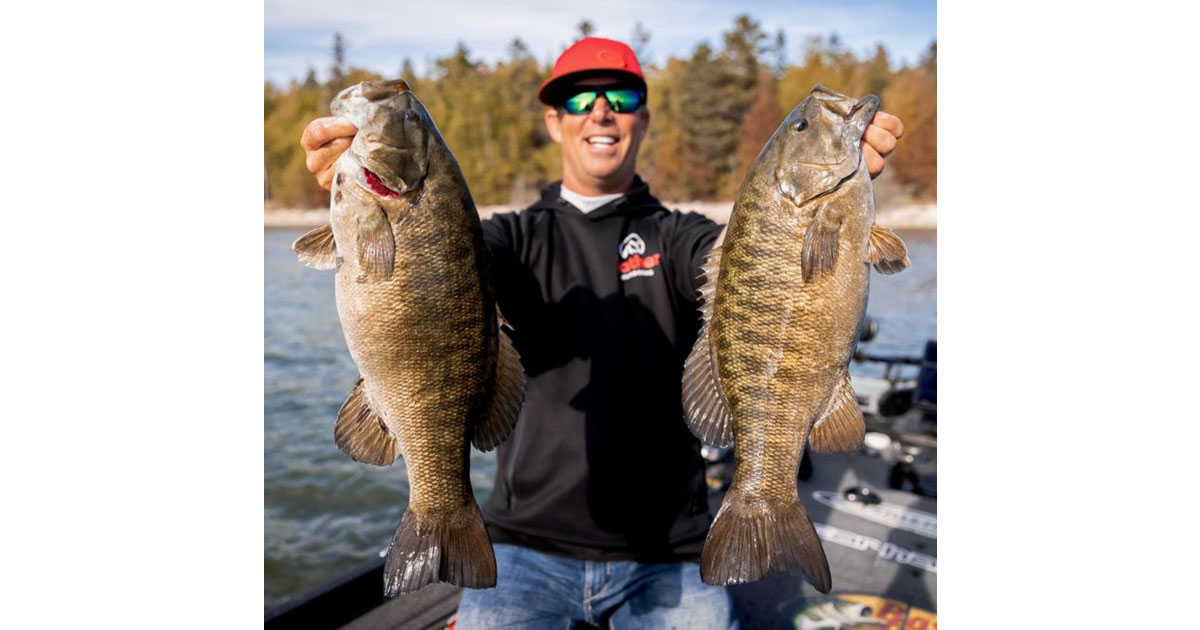 These big smallmouth that Neil Vande Biezen caught were likely 10 years or older. It takes Michiana fish longer to reach quality length than most people realize.
Regardless of the kind of fish you pursue, it takes years to produce keeper sizes in Michiana waters.
Indiana and Michigan fish researchers maintain charts listing average fish lengths at various ages based upon historical records. Charts are used to compare growth rates of fish in a given lake with state averages. In Indiana, those comparisons are based on northern Indiana glacial waters and not the impoundments found in the southern half of the states. Although not an exact science, it gives researchers a means to determine the health of fish in a given lake. Faster growth indicates a balanced fishery with a good forage base. Slower growth could indicate overpopulation or inadequate forage base.
Fish are aged by collecting scale samples and examining them under a microscope. Rings seen on the scale are much like rings on a tree. Each ring represents a year of growth.
Page 37 of 282
Search




Advertise with Us!

Michiana Outdoors News provides advertisers a cost effective vehicle to target thousands of sportsmen across southern Michigan and northern Indiana.
Connect With Us