


By Louie Stout
If you like fishing for walleye, you might want to put Gun Lake on your summertime to-do list.
Michigan DNR biologist Matt Diana says stocking programs on the Barry/Allegan County lake have done quite well in recent years.
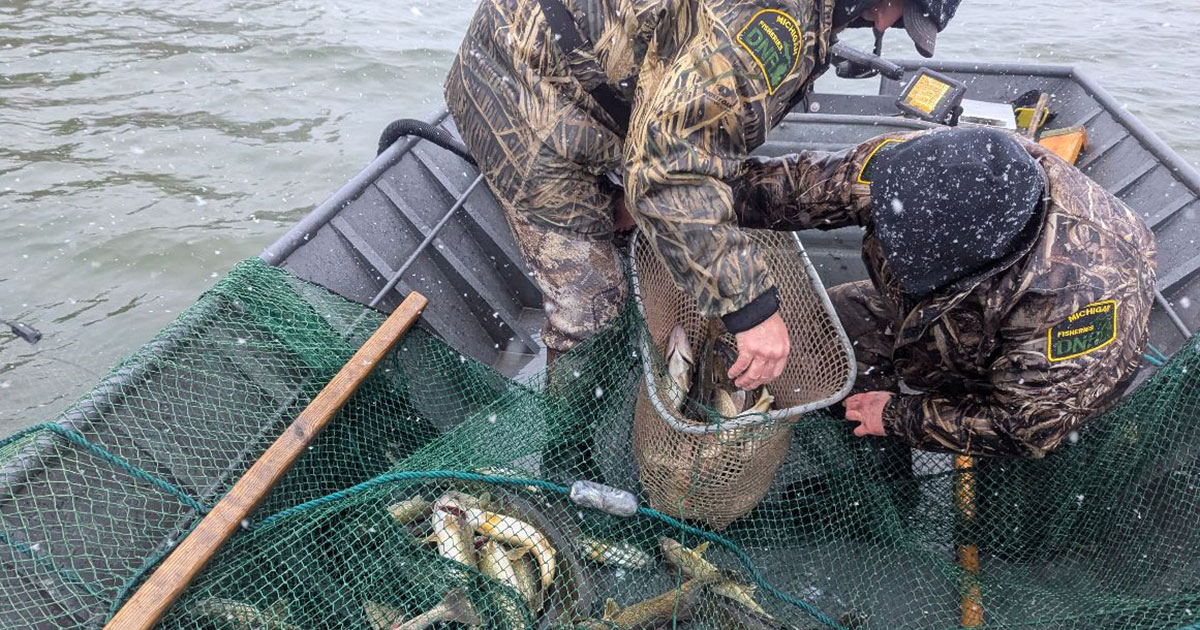
He was there last year surveying pike and walleye on the 2,680-acre lake and it turned up interesting results.
The Gun Lake Protective Association raises and stocks fish and the DNR supplements the stocking when fish are available. High numbers of small, spring-stocked fish have been planted by the state and local group for years, but the association began buying smaller numbers of the larger fingerlings for fall stocking and it appears to be paying off.
Diana’s crew netted a large number of walleyes that averaged 18 ½ inches with a few bigger ones mixed in.
“We found a lot of year classes, and while we haven’t aged them yet, it looks like they are growing well,” he said. “When we were there in 2015, we found that the walleyes’ average growth rate in that lake is above the state average for this area and I suspect that hasn’t changed.”
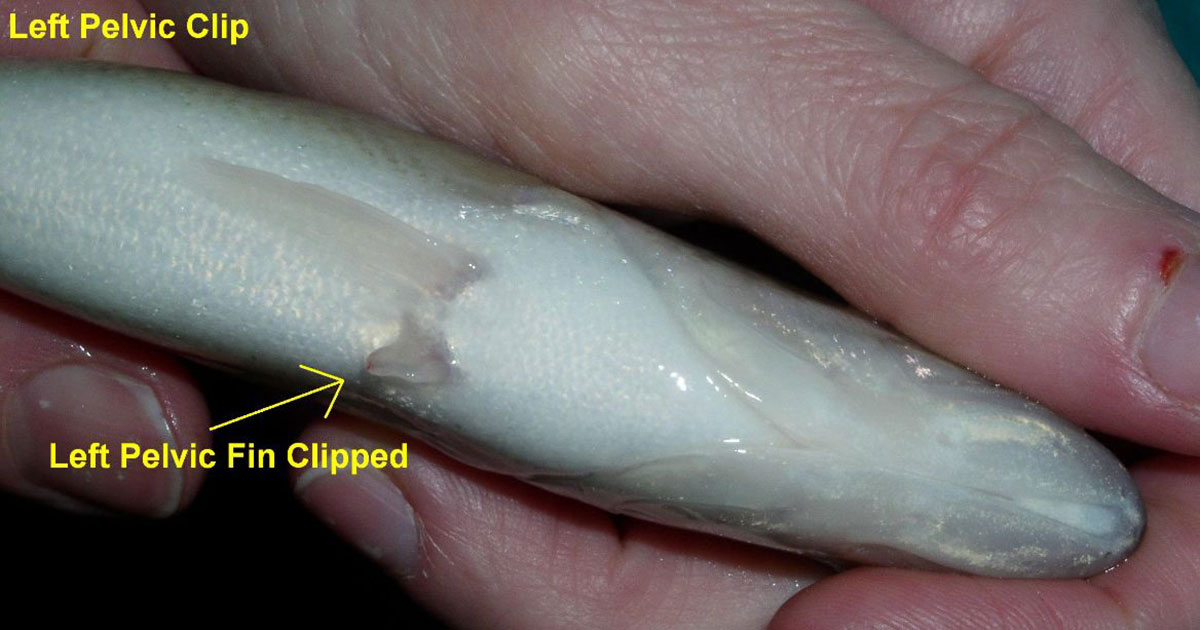
Fall-stocked walleyes are fin-clipped at the time of the stocking. The biologist said that they saw evidence of some natural reproduction, but not enough to sustain the fishery.
“Walleye catch rates are lower than we want at Gun but it’s not affecting the quality of the fish,” he said. “Angler feedback shows that quite a few of these fish are being caught.”
Diana added that Gun Lake has a particularly good forage base consisting of chubs, suckers and perch, all of which walleyes feed upon.
“There’s a huge perch population in the lake and the walleyes help keep them, and the bluegill, from becoming overabundant,” he said. “Our take is that both the spring and fall walleye stockings are doing quite well."