
By Matt Summerlot, Guest Columnist
A father’s dream is to raise his son in a way that one day, the kid you were teaching becomes the best friend you get to share it all with, or at least it was for me. At some point in Hunter’s life, he stopped being just my child and became one of the guys. It didn’t happen overnight. There wasn’t a single moment when it flipped. It was built over time. From the first fish to the first harvest, and every trip between then and now.
Our first house had a small creek running along the back of the property. Being a fisherman, I was always down there trying to see if anything would bite. And no matter what, he was right there with me. He’d wake up from a nap asking to go see the “wa-wa.”
I’d be mowing the yard and look over to see him standing on the little bridge, staring down into the water.
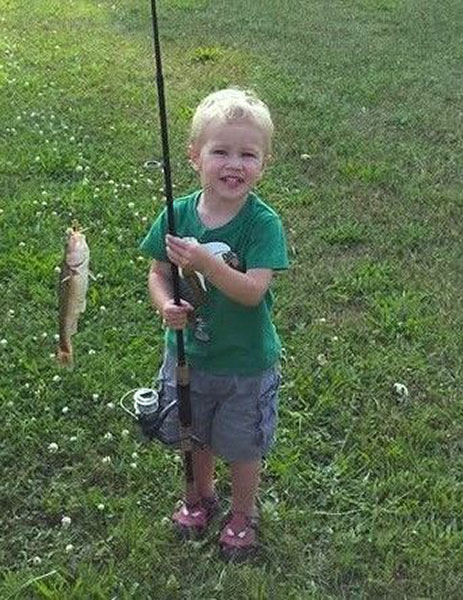
Before long, he was dragging a kiddie pole down there on his own, trying to catch his first fish. Eventually, he did. A small creek chub on a piece of corn. And from that moment on, it was over.
For the next few years, he absolutely terrorized those creek chubs. Every chance he got, he was down there. I swear by the end of it, he had caught every one of them multiple times and probably knew them all personally.
That’s where it started. Not with a boat, not with electronics, not with tournaments: just a kid, a creek, and the freedom to figure it out.
From about the age of two, he went with me to the deer woods or the duck swamp. I would carry him in on my back, I’d lay a blanket down in the blind, and he’d sit there with his toys or on my knee, watching. We didn’t harvest a lot in those first few years, and it didn’t matter. He was there.
Fishing, though, was different.
I had a tournament partner, and when we had free time, we practiced. I fished a few BFL events, and he couldn’t go to those. We always had the creek behind the house, but when it came to the weekends and the “money” tournaments, he stayed home.
That all changed on a random weekend in June of 2020. We didn’t have anything going on that day, and I happened to be scrolling through Facebook when I saw a small evening tournament on the IUSB stretch of the St. Joseph River. The boat was already hooked up in the driveway as I had been cleaning it up and rigging tackle from the weekend before, so I told him to jump in the truck, and we hurried over.
It was nothing big. Maybe 10 boats. The entire drive there was giddy. You could feel it. He was finally going to fish a tournament with his dad. That night, we weighed in two fish, both under the slot limit. I think we probably finished in last place. None of that mattered to him. He was hooked. From that moment on, it just kept growing.
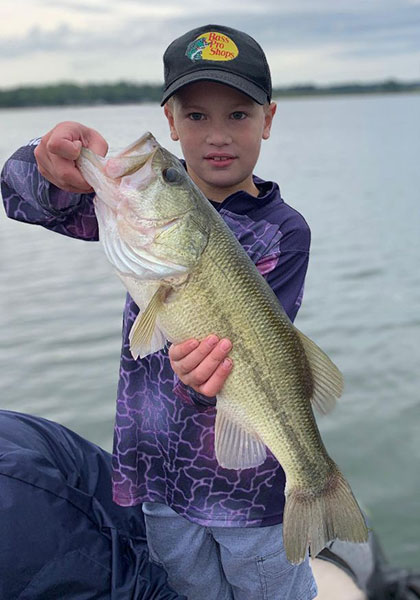
He’s now fished in Kentucky, Michigan, Wisconsin, Tennessee, Indiana, and Minnesota. He’s competed in Indiana youth events against kids his age, fished larger trails with 50-plus boats, and even earned recognition as the youngest angler in events like the Riley Children’s Hospital tournaments on Wawasee. He has multiple wins under his belt.
At 13 years old, he’s working on his sixth full season of tournament fishing. For me, it’s been something more than just watching him become a better angler. I have been watching him grow into himself. The confidence, the decision-making, the way he carries himself around other anglers, and the way he handles good days and more importantly, the tough ones.
There have been moments I didn’t expect. Countless times of frustration, growing pains, and learning curves come with competing at that level at a young age. But those are far outweighed by the smiles, the laughs, and the memories we’ve built along the way.
My Advice to Anyone Raising a Young Tournament Angler
Do expect the mess.
You’re going to spend a lot of time fixing backlashes, pulling lures out of trees, docks, and anything else they can reach. You’ll make more trips to the tackle store than you planned, replacing what was lost the weekend before.
That’s part of it.
Do not discourage them from casting where the fish actually live.
Those docks, those overhanging trees, that’s where the fish are. If they’re going to get better, they must be willing to risk getting hung up. We’re fishing to catch them, not just to practice perfect casts in open water.
Do involve them in the process.
Let them help break down the lake. Ask them where they want to start. Ask them where they want to go next. And more importantly, go to those places.
Sometimes they’re right. And when they’re not, it creates the best opportunity to teach and explain why.
Do encourage the entire process.
We watch videos, read articles, study maps, and go through resources together. Then we talk about it. Communication matters.
If you’re building a tournament partner, you must develop a language you both understand and stick with it. Fishing changes fast. Every moment can bring a new decision, new pressure, new opportunity. Work together and figure it out in real time.
Do focus on time on the water, not just tournament days.
Building a tournament angler, especially at a young age, isn’t about just showing up on Saturday or Sunday and expecting results.
It’s about time. We don’t just fish in tournaments, we fish whenever we can. The creek, the riverbank, the lake. It doesn’t matter. We are not always going after bass either. It was bluegill. Perch. Crappie. Catfish. Whatever would bite.
Because every time you’re out there, you’re learning something. It is about figuring out where the fish are, how they are moving, and how the weather has affected them recently. That kind of knowledge doesn’t come from a single day, it comes from repetition. Just like anything else in life, the more you do it, the more you understand it. The more you understand it, the better you get.
At a young age, they don’t just need tournament experience; they need fishing experience. They need time to make casts, time to make mistakes, and time to figure things out.
And the best part is, while they’re learning all of that, you’re building memories at the same time.
Do not focus on the results.
Tournaments cost money. There are entry fees, there is gas in the truck, gas in the boat, food, and all the prep that goes into it. You must be willing to let that go. What you get back is worth more: time together, teaching moments, and the laughs (like when he falls off the boat trying to bomb a cast).
The memories, all the memories. We still talk about moments from tournaments years ago. We talk about specific docks, random encounters, and things that had nothing to do with where we finished. Those are the things that stick.
Do make it something you share together.
We’ve always talked through lures, and we have always rigged the boat together.
Early on, before he could be trusted with knots, he’d lay out the baits on the deck, and I’d tie them one by one. Now, he rigs his rods, and I rig mine, but we’re still sitting there together, getting ready for the day.
Do expect mistakes—and how you handle them matters.
Lines are going to get crossed. There will be tangles that make no sense and moments where everything feels like it’s going wrong. Just fix it. Remember to remind them that every minute spent untangling is a minute without a lure in the water but keep it in perspective. Whatever you do… don’t throw a rod in the water out of frustration. Ironically, it will turn out it was your own rod they were using, and now you are fishing it out of the water.
Do stay steady in the big moments.
Net jobs will go wrong, excitement will take over, and fish will come off. Things happen fast. Sometimes, even an experienced angler makes a mistake, like hitting the line while trying to net his personal best smallmouth just days earlier. Sorry bud!
Recoup. Recover. Move on. How you respond in those moments teaches more than anything you can say.
Do encourage interaction beyond fishing.
Tournaments are about more than just catching fish.
Early on, he would draw the chip at registration or make small talk to the boat next to us at the dock. Now, he handles registration, draws the chip, and manages communication at the ramp. I just drive, launch the boat, and bring the cash.
We’re not just teaching them how to fish, we’re teaching them how to interact with people. How to be polite, respectful, and confident enough to make decisions in the moment.
Final Thought
If there’s one thing I’ve learned, it’s this: You don’t build a tournament partner by pushing them into it. You build it by letting them grow into it. Give them the time, give them the opportunity, and let them make mistakes. They will figure things out.
One day, without even realizing it, you’ll look over… and they won’t just be your child in the boat anymore, they’ll be your partner.