


- Details
Clear H2o Tackle near Edwardsburg will conduct its Spring Fishing Open House this weekend.
The program runs Friday from 7-7, Saturday 6-6 and Sunday, 6-4.
In addition to how-to fishing discussions, the store will be displaying new tackle for 2018, offering special bargains, free snacks, refreshments, and drawings for door prizes.
You can also get a free Michigan fishing license with a qualifying purchase.
For more information, call 269-414-4131.
- Details
By BOB GWIZDZ, MDNR Report
 Where and How Does Michigan DNR Fund Its Programs?
At first glance, the Michigan DNR budget of almost $409 million this fiscal year is enough to make a taxpayer blanch.
However, many Michigan taxpayers may not know that only 14 percent of the DNRs current budget is financed by state taxes.
Of the states $56.7 billion overall budget, DNR funding is roughly 0.7 percent. From the state's primary or General Fund budget of $10.2 billion, the DNR receives 0.6 percent. The state's fiscal year runs from Oct. 1 to Sept. 30.
"For the most part, we are a pay-to-play department," said Erik Eklund, the DNRs chief budget officer.
The DNRs bills are paid from some 60 different funds, all of which have various revenue streams, but many of which are made up of user fees paid by those who hunt, boat, fish, snowmobile, camp, harvest timber, ride off-road vehicles or otherwise take part in natural resources-based activities.
From there, some of the details can get complicated, but it's worth the effort to gain a better understanding of how the DNR is funded.
- Details
Shimano Report
 Shimano Donates $1,000 to St. Clair Muskie Research
It's a good day for muskie anglers when natural resource managers from Ontario, Michigan and Ohio all come together to make the fishery better. Combine that with the involvement of volunteers from both Muskies Canada and Muskies, Inc., and now financial support from Shimano's Canada operations, and targeting these big fish on Lake St. Clair has a positive outlook.
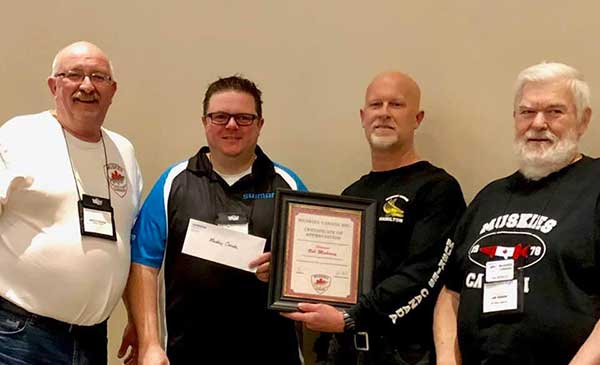
During "Muskie Sunday' events at the just completed Spring Fishing & Boat Show, Canada's largest outdoor show at The International Center in Mississauga, Ont., Shimano added to the day with a $1,000 donation to support the Lake St. Clair muskellunge tracking project.
"We wanted to step up after seeing how the DNR fishery experts in both Michigan and Ohio, and our Ministry of Natural Resources and Forestry have teamed up on this project," said Bob Mahoney with Shimano's Canada operations. "And we applaud the joint efforts of the Muskies Canada and Muskies, Inc. organizations for their assistance.
The donation will go to the purchase of additional acoustic radio tags that are implanted in caught-and-released muskies out of Lake St. Clair. The project provides the ability for donors to name a tagged muskie, and follow its travels at any time - similar to shark tagging programs. More than 50 muskies currently swim in Lake St. Clair, where their movements are tracked by using underwater receivers of the Great Lakes Acoustic Telemetry Observation System.
- Details
Michigan will offer a Free Fishing Weekend for winter anglers Feb. 17-18.
No fishing licenses will be required for residents or non-residents. However, all bag limit and other requirements still apply.
Indiana doesn’t offer a free fishing weekend during the winter months.
- Details
MDNR Report
 DNR Announces Results of 2017 Elk Hunting Season, Winter Elk Survey
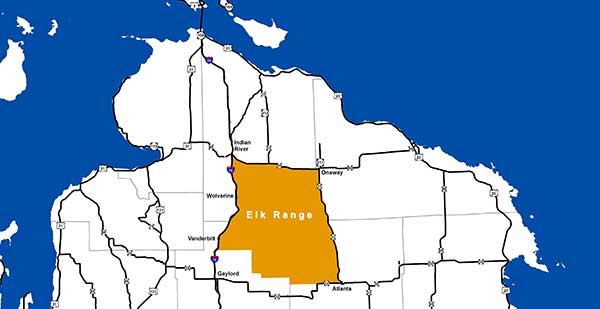
The 2017 hunting season statistics are in, and the winter elk survey just wrapped up, giving the Michigan DNR a clear picture of where the state's elk population currently stands.
Hunt period 1, which targets elk outside of their traditional range, was 12 days long. From Aug 29-Sept. 1, Sept 15-18, and Sept. 29-Oct. 2, 100 state hunters harvested 74 elk (30 bulls and 44 antlerless elk).
During hunt period 2, Dec. 9-17, all locations in the northern tip of the state were open to hunting. Another 100 state hunters harvested 84 elk (30 bulls and 54 antlerless elk) during this hunt.
Before regulated hunting can take place to assist in management, Michiganís elk population has to be evaluated.