

- Details
MDNR Report
Michigan DNR encourages everyone to take advantage of “Three Free” Weekend – Saturday, June 8, and Sunday, June 9.
It's two full days when Michigan residents and out-of-state visitors can grab a fishing rod, ride the off-road trails and visit state parks, boating access sites and other outdoor locations — all free of charge.
“We’re excited to celebrate ‘Three Free’ Weekend, a time when everyone gets to enjoy and take part in some of Michigan’s best outdoor recreation opportunities: fishing, off-roading and exploring Michigan’s award-winning state parks,” said DNR Director Scott Bowen. "Whether you're an avid outdoors-person or someone just discovering all that our beautiful state offers, 'Three Free' weekends make it easy to visit a new park, try a new nature experience or spend time with friends and family in a place you love."
These two days include:
- Free Fishing Weekend. Fish for all in-season species, all weekend long, without a license. All other fishing regulations apply. To get more details or find a local event, visit Michigan.gov/FreeFishing.
- Free ORV Weekend. Legally ride 4,000 miles of state-designated routes and trails and the state's six scramble areas without purchasing an ORV license or trail permit. Visit Michigan.gov/ORVinfo for the latest ORV trail, safety and closure information.
- Waiver of the Recreation Passport. To encourage people to pursue free fishing and other outdoor fun, the DNR waives the regular Recreation Passport fee that grants vehicle access to Michigan's 103 state parks, 1,000-plus state-managed boating access sites and many other outdoor spaces. Learn more about Passport benefits at Michigan.gov/RecreationPassport.
Free Fishing and Free ORV weekends each take place on back-to-back days twice a year, but the "Three Free" Weekend happens only in June.
- Details
By Louie Stout
The Diamond Lake Association’s Lake Preservation Committee finally got approval to place tree cribs in the lake to protect shorelines and enhance fish habitat.
The committee sought approval from the Michigan DNR last fall with hopes of getting the wood into the lake before winter. That approval came a week ago.
Due to the delay in receiving the permit, the committee decided to wait until fall to plant 10 hardwood cribs along seawall areas and place boulders around some shorelines to reduce erosion. The cribs will consist of three trees in each of the 10 locations and in water 15 feet or deeper.
Michiana Outdoors News will keep you posted when the project is completed.
- Details
MDNR Report
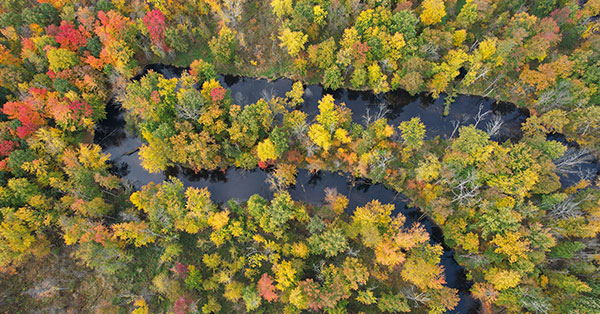 Paw Paw River State Game Area
The Michigan DNR announces the establishment of the Paw Paw River State Game Area, a new, 350-acre parcel in Van Buren County’s Waverly Township. The DNR will manage this area for wildlife habitat, protecting vulnerable species and enhancing public access to hunting lands and waterways in southwest Michigan.
The new state game area will be an exciting addition to southern Michigan, where most of the state’s residents live but where public hunting lands are limited.
"We are thrilled for this land purchase, as it reinforces our dedication and the dedication of our partners to wildlife conservation and better, broader access to public recreation,” said Mark Mills, southwest regional manager for the DNR Wildlife Division.
- Details
MDNR Report
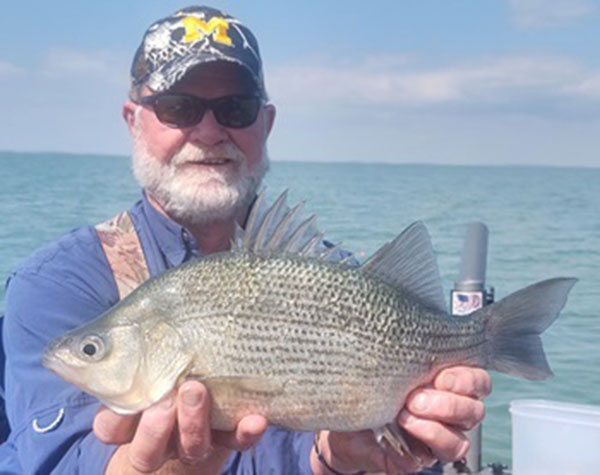 Scott Smith with state record white perch
While still-fishing with minnow bait recently in St. Clair County, Michigan, an angler from Adrian caught a state-record fish: a white perch weighing 2 pounds, 5.92 ounces and measuring 16.25 inches.
Scott Smith was fishing with a friend on Lake St. Clair, the expansive freshwater basin that connects Lake Huron and Lake Erie, the afternoon of Thursday, April 25, when he reeled in what he called a “monstrous” white perch. Their last catch of the day, the fish ended up being a record-breaker.
This fish beats the previous state-record white perch – 2 pounds, 13.57 inches – caught in 2015 by Cindy Cordo out of Bear Lake in Muskegon County.
Smith’s fish was verified by Cleyo Harris, a fisheries biologist with the Michigan Department of Natural Resources.
- Details
MDNR Report
The 2024 bear and elk hunting license application period is open through June 1. Apply online or at any license retailer. Applications are $5.
Aren’t planning to hunt this year? Increase your odds for next year and purchase your elk chance or bear preference point instead!
Take a few moments to watch the videos explaining the bear and elk license drawing process:
- Michigan elk weighted lottery system explained.
- Michigan bear draw preference point system explained.
Hunting units and season date information to assist in purchasing your applications is available at Michigan.gov/Elk and Michigan.gov/Bear. Questions? Call the DNR Wildlife Division at 517-284-9453 by June 1 for assistance with applications. Drawing results will be posted online June 24.
Hunters who want another chance at a bear or elk license can increase their odds by applying for the Pure Michigan Hunt! Applications are $5 and are available at any license agent or online at eLicense. Hunters may buy as many applications as they want. Three lucky winners will get prize packages – learn more at Michigan.gov/PMH.