




What's New?
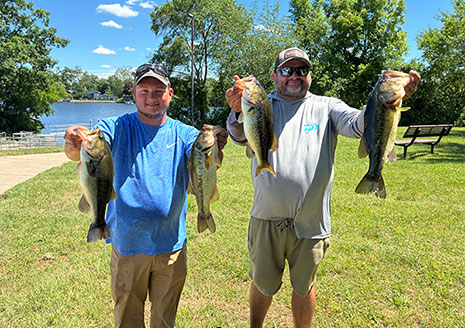
Robert Zorich and Eric Fier captured the Little Money Bass Tournament (LMBT) last weekend on the St. Joseph River at Maggies Landing.
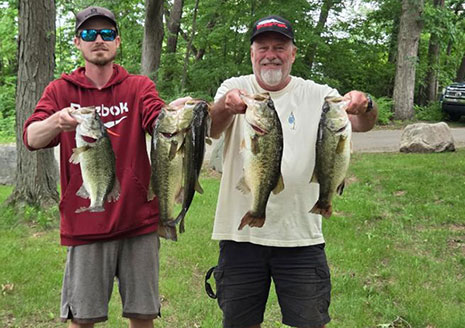
Wow! Paw Paw Lake keeps cranking out big catches as proven by the Michiana Singles Open tourney held on Father’s Day.
New Gear
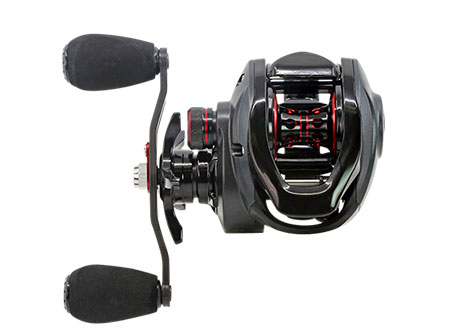
Okuma Fishing Tackle announces the all-new Eminent Baitcast Reel—a lineup of low-profile reels engineered to deliver refined design and performance at an unmatched value. The series introduces a distinctive audible drag click, giving anglers real-time feedback and heightened awareness when it matters most.
Newsflash


Coyotes Likin’ Urban Living
- Details
By Louie Stout
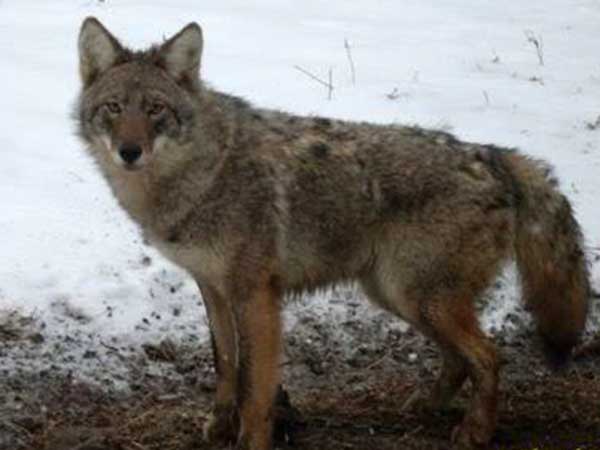 Coyotes Likin’ Urban LivingOsceola trapper Chuck Powell recalls a phone call he got from a landowner this fall.
“The man has a bunch of barn cats he feeds and was beginning to find their dead carcasses and suspected it was the work of coyotes,” Powell said. “And so did I.”
The professional trapper had removed six of the wild canines from the same property the year before.
This time, he trapped and removed 11 over a two-week period in early October.
Indeed, coyotes are thriving in northern Indiana. And while many people assume they’re strictly creatures of the wild, that’s hardly the case. Powell says there are more coyotes living in and near our urban areas than most people realize.
Michigan Lowers Non-Resident Fees for 2015
- Details
The Michigan DNR announced that a discount of just over 10 percent has been approved for non-resident annual fishing licenses for 2015.
The cost of the non-resident annual fishing license will go from $76 to $68 starting on March 1.
The decision came during yesterday's meeting of the Natural Resources Commission.
Michigan's fishing license options originally were restructured March 1, 2014. Since that time a review of feedback from customers, local businesses and others suggested substantial merit in discounting the annual fishing license fee charged to non-residents. In response to those concerns the DNR has discounted the price.
"Discounting the non-resident annual fishing license will encourage more out-of-state visitors to come and experience Michigan's world-class fisheries - and the many other outstanding recreational opportunities available in this state," said DNR Director Keith Creagh.
Page 155 of 285
Search




Advertise with Us!

Michiana Outdoors News provides advertisers a cost effective vehicle to target thousands of sportsmen across southern Michigan and northern Indiana.
Connect With Us