



- Details
By Louie Stout
Got more deer meat than you need? Consider donating your next deer to the “Michigan Sportsmen Against Hunger” program or “Indiana’s Hoosiers Feeding the Hungry.”
Participating nearby Indiana processors are Jaworski Market in South Bend (574-297-0091), Slabaugh Meat in Nappanee (574-773-0381), John’s Butcher Shop in Nappanee (574-773-4632), Martin’s Custom Butchering in Wakarusa (574-862-2982).
In Michigan’s Cass County, Vlasicak Meat Market (269-445-8763) in Cassopolis is accepting donations. Most of the processors will handle the processing at no charge or you can donate a portion of your next deer to the program.
- Details
By CALEB ECKLOFF, Michigan DNR
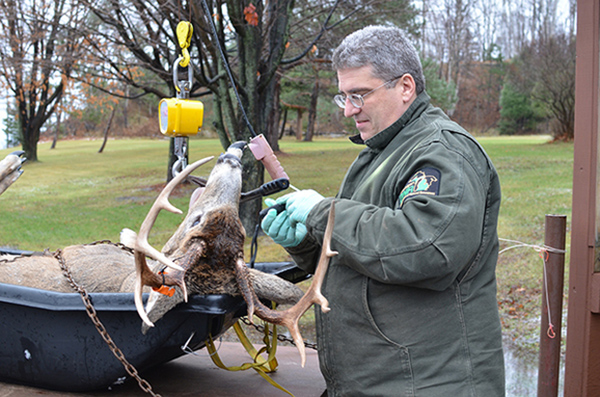 The Aging Process: How and Why Deer are Aged at DNR Check Stations
Whether for fun or to better judge preferable animals to target, many hunters have an interest in the ability to age white-tailed deer, whether on the hoof or in hand.
Each fall, as successful hunters bring their deer in to be registered at Michigan Department of Natural Resources check stations across the state, many of these men and women watch carefully as DNR wildlife technicians and biologists age deer based on characteristics of the animals teeth.
The DNR uses the age of harvested animals - not exclusively deer - to model species age structure with the intent to better manage wildlife.
Furbearers, such as black bears and bobcats, are aged by removing a tooth and sectioning the tooth to count the layers of cementum, which is a specific part of each tooth that is deposited annually.
Like the rings of a tree, annual cementum deposits may be counted to determine the age of the tooth and, by extension, the age of the animal.
- Details
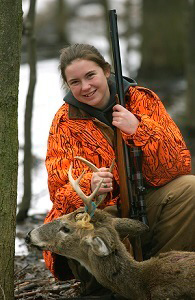 Meijer Offers Free Michigan Youth Deer Licenses Friday, SaturdayYoung hunters once again will have the opportunity to get a free deer hunting license at all Meijer stores in Michigan Friday and Saturday, Sept. 14-15.
Youths must be accompanied by an adult, and can receive the free junior deer hunting license coupon in stores.
The deal is valid for a single junior deer hunting license, a $20 value, or mentored youth hunting license. Those who hunt in Michigan also must purchase a base license, which costs $6 for youth, ages 10-16. The base license allows hunters to hunt small game and purchase additional hunting licenses. The mentored youth hunting license, valid only for hunters under the age of 10, includes a base license and does not require separate purchase of the base license.
Meijer has offered youth hunters free deer hunting licenses since 2008. Last year, more than 54,000 young hunters got free licenses during the weekend giveaway.
Questions? Contact your local Meijer store.
- Details
IDNR Report
Indiana State Parks is seeking volunteer hunters to participate in managed deer reduction hunts at 19 locations later this year.
Applications must be received by Aug. 20.
Properties where hunting is allowed with firearms only (any firearm legal to take deer on public land in Indiana) are: Brown County, Chain O'Lakes, Harmonie, Indiana Dunes, Lincoln, Ouabache, Potato Creek, Prophetstown, Shades, Shakamak, Summit Lake, Tippecanoe River, Turkey Run, Versailles, and Whitewater Memorial state parks, and Cave River Valley Natural Area.
- Details
MDNR Report
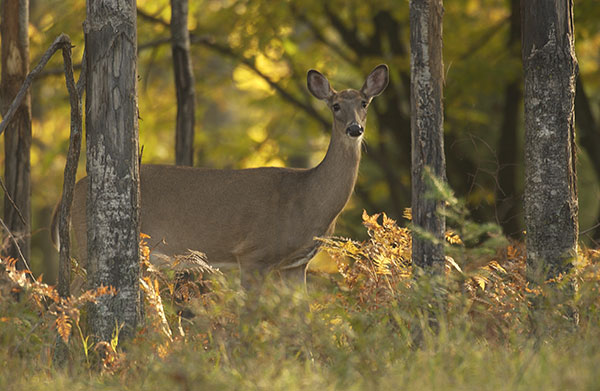 Michigan Sets New Deer Hunting Regulations Designed to Fight CWD
Michigan's Natural Resources Commission approved new hunting regulations aimed at slowing the spread of chronic wasting disease.
At last weekís meeting of the Michigan Natural Resources Commission in Lansing, the commission approved a series of deer hunting regulations aimed at slowing the spread of chronic wasting disease.