

- Details
The Michigan DNR annually adjusts fishing regulations to ensure Michigans fisheries resources are managed properly and provide the best benefits to anglers and the public.
For the coming 2016-2017 angling year, which started April 1, the DNR the following new or changed fishing regulations will be in effect:
- Lake Michigan Lake trout and splake are now covered by the same regulations in MM 1-8.
- The Menominee River lake sturgeon protection zone was expanded and now encompasses the Grand Rapids Dam downstream to the end of the breakwalls in Green Bay.
- Anglers fishing for trout on inland waters should double-check the regulations for where they plan to fish as regulations for several waters were changed.
- Regulation changes effective last fall (November 2015) are highlighted in red text in the 2016-2017 Michigan Fishing Guide.
Anglers should note that this yearís fishing guide covers a two-year cycle, 2016 and 2017. A new guide will not be produced in 2017. The guide is available at all major retailers and online at www.michigan.gov/fishingguide.
- Details
(Provided by Michigan DNR)
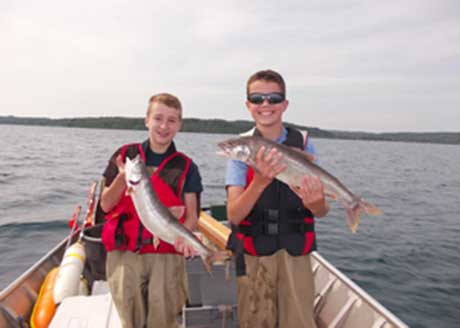 Coho in Crystal Lake? You Heard That Right!Are you looking for a big waterbody in northern Michigan that produces unique and exciting fishing opportunities? Look no further than Crystal Lake in Benzie County; Michigan's ninth largest inland lake (at 9,854 acres) and home to a whole host of popular species.
This deep, cold lake has a maximum depth of 165 feet with an average depth of 70 feet. Located in the Betsie River watershed, it has an outlet stream that flows from its south shore into the Betsie River.
According to Mark Tonello, DNR fisheries biologist out of Cadillac, this lake is a fishery all types of anglers can appreciate with a variety of opportunities to pursue.
- Details
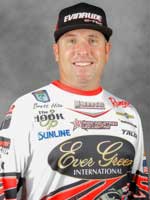 Brett Hite Brett Hite |
 |
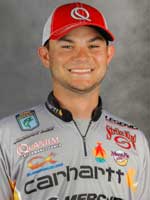 Jordan Lee Jordan Lee |
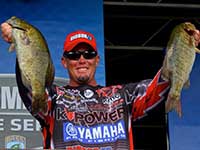 Keith Combs Keith Combs |
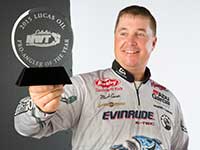 Mark Courts Mark Courts |
| Brett Hite | David Fritts | Jordan Lee | Keith Combs | Mark Courts |
An all-star lineup featuring the biggest names in fishing will headline D&R Sports Center’s 28th annual Spring Fishing and Boat Show that runs March 25-26 at the Kalamazoo store.
Show hours are 9 a.m. to 8 p.m. Friday and 9-5 Saturday. There is no admission charge.
Friday bass experts conducting seminars include Kevin VanDam, Mark Zona, Brett Hite, David Fritts, and Keith Combs.
Fritts also will host a Lew’s Casting Contest at 5:45 p.m. Friday and again 10:30 a.m. Saturday.
- Details
(Provided by Michigan DNR)
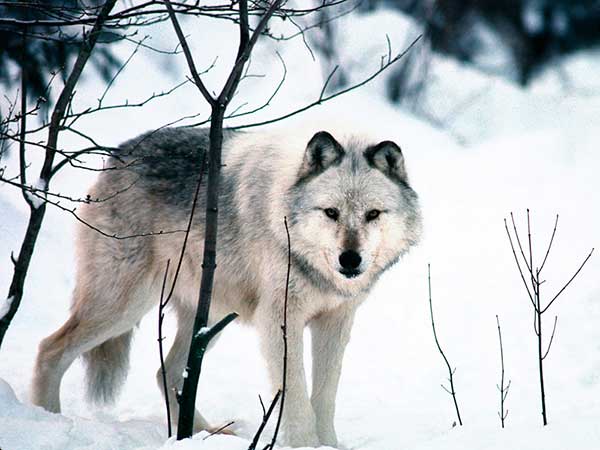 Wolves remain a hot issue in Upper Peninsula
On a snow-swept back road in Delta County, a Michigan DNR wildlife biologist drives his vehicle slowly. Watching out his windows, he scans each set of animal tracks he sees pushed into the fresh snow.
Among the footprints left by bobcats, white-tailed deer, snowshoe hare and other animals, he's looking for the large-pawed tracks of gray wolves, laid out in a path down the road or into the woods.
Discovering wolf tracks - and then following them for long distances - helps biologists estimate population size and delineate where, and how, wolf packs are spending their time this winter.
- Details
(Provided by Michigan DNR)
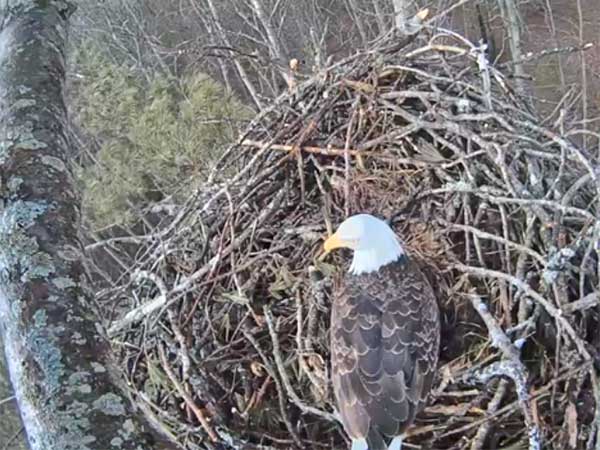 Watch Nesting Eagles on “Live Eagle Cam”
A partnership between the Michigan DNR and Carbon Media Group now allows the public a rare chance to watch, for free, a pair of nesting bald eagles currently in residence at the Platte River State Fish Hatchery near the Benzie County town of Beulah.
The CarbonTV Eagle Cam live streams 24/7 from carbontv.com/cams/carbontv-eagle-cam and the site also features taped clips of the eagles engaging in various activities, including eating a rabbit, building and clearing their nest, and being visited by great horned owls.