

 Tournament News Powered By Lake Drive Marine



- Details
B.A.S.S. Report
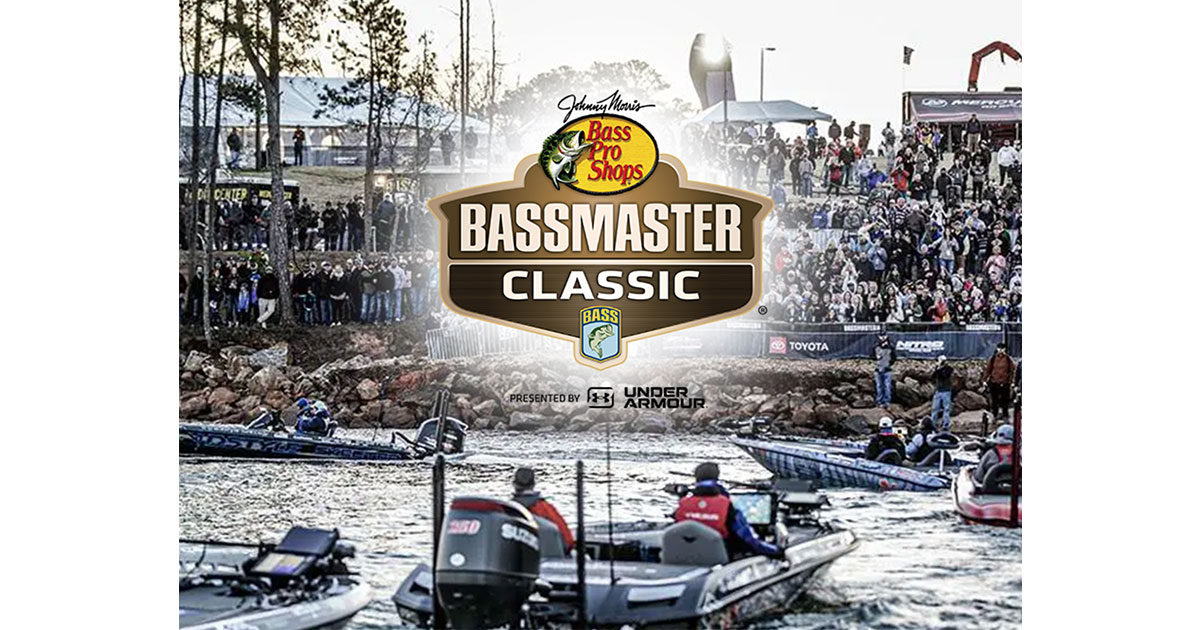
B.A.S.S. announced this week that the 2027 Bass Pro Shops Bassmaster Classic presented by Under Armour will be held March 19-21, 2027, in Greenville, S.C., with tournament competition taking place on Lake Hartwell.
This will mark the fifth time the Super Bowl of Bass Fishing has visited the lake, setting the record for the most visits to a single venue in the history of the world championship and further cementing the reservoir’s reputation as one of the sport’s premier championship fisheries. Hartwell previously hosted the Classic in 2008, 2015, 2018 and 2022, producing some of the most memorable finishes in Classic history.
Past Classic champions on Lake Hartwell include Alton Jones, who won the 2008 Classic with 49 pounds, 7 ounces; Casey Ashley, who captured the 2015 title with 50-1; Jordan Lee, who earned the second of his two Classic victories in 2018 with 47-1; and Jason Christie, who claimed the 2022 championship with a winning total of 54-0.
“Lake Hartwell has consistently delivered elite-level competition and dramatic moments on bass fishing’s biggest stage, while Greenville and the surrounding Upstate region have proven to be outstanding hosts for anglers and fans alike,” said B.A.S.S. CEO Chase Anderson. “The combination of a world-class fishery, an engaged fan base and strong community partnerships makes the area an ideal setting for the 2027 championship.”

- Details
BFHOF Report
The Bass Fishing Hall of Fame is once again committing $65,000 this year to students and conservation groups to assist in their research and enhancement of bass fishing.
From college fisheries students to lake associations and bass clubs, folks who are working hard to improve bass fisheries should consider submitting an application to the Bass Fishing Hall of Fame as soon as possible to take advantage of this generous ongoing support offered by the Hall each year.
Factoring in the 2026 awards, the Bass Fishing Hall of Fame expects its total contributions toward scholarships and conservation grants to exceed $160,000 over the past seven years. To learn more and to apply, visit https://www.bassfishinghof.com/community-impact.
- Details
BFHOF Report
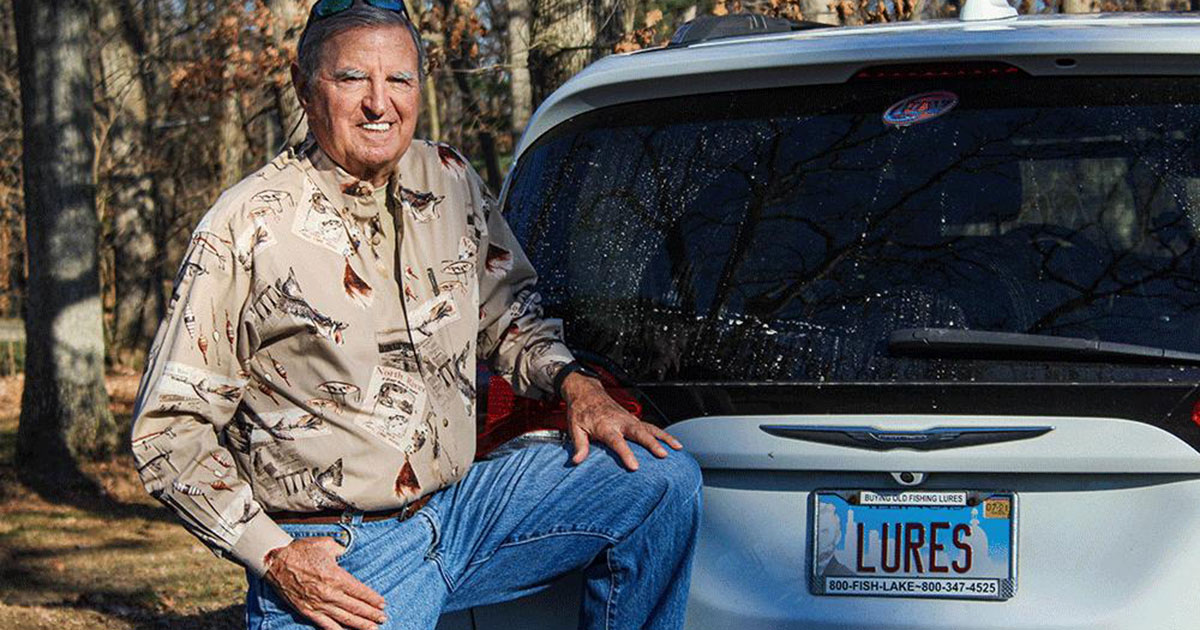
When it comes to knowledge about the historical timeline of fishing lures and tackle, Dan Basore is in a class by himself.
From his early years hanging around the Sutphin family tackle shop in Speedway, Ind. where his interest in old bass lures began, to being a key source for securing the many historical lures on display at Bass Pro Shops locations nationwide – as well as at the Bass Fishing Hall of Fame venue within Johnny Morris’ Wonders of Wildlife Museum and Aquarium, Basore has earned his reputation as one of the true historians of the sport.
The Bass Fishing Hall of Fame’s Board of Directors honor Basore as the organization’s ninth recipient of its Meritorious Service Award.
Basore will be recognized at a special presentation taking place at the upcoming Chicagoland Fishing Expo on Thursday, Jan. 22. The event is being held at the Schaumburg Convention Center at 4:30pm CST.
“There are special people within the sport of bass fishing who contribute to its success in special ways,” said the Hall’s past Board president John Mazurkiewicz. “Dan has and continues to make significant contributions to the sport, especially in terms of preserving its history which aligns perfectly with the mission of the Bass Fishing Hall of Fame. We look forward to honoring Dan in his now hometown of Chicago and at a fishing show he’s been involved with deeply.”
Basore’s interest in historical tackle began in his teenage years when he inherited his late grandfather’s tackle box. The first display he created in 1957 fueled his passion, and he continues to collect old lures and tackle to this day, nearly 70 years later. Over those years as his interest in fishing grew, he was able to collaborate with many of the leading tackle brands, including Shimano, Bagley, Bill Norman and more.
When Ray Scott started B.A.S.S., not only was Basore one of the first to join the organization, he gave Scott the idea to also offer lifetime memberships and was the first to sign up. Over his years of involvement in the sport, Basore participated in fishing tournaments, first as a member of the Marion County (IN) Fish and Game Club and during the early days of the B.A.S.S. trail.
“Called by many the ‘King of Lures’, Basore is so deserving of our Meritorious Service Award, and we look forward to honoring him in Chicago,” said Mazurkiewicz.
Basore also will have numerous displays of old lures and fishing memorabilia at the Chicagoland show with the Chauncey’s Great Outdoors/ESPN 1000AM Radio (booth 420) at the show.
For more information on attending the Chicagoland Fishing Expo, visit https://chicagoland.sportshows.com/seminars/. For more information on the mission and activities of the Bass Fishing Hall of Fame, visit https://www.bassfishinghof.com.