




What's New?
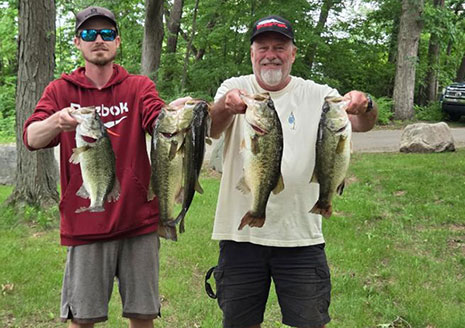
Wow! Paw Paw Lake keeps cranking out big catches as proven by the Michiana Singles Open tourney held on Father’s Day.
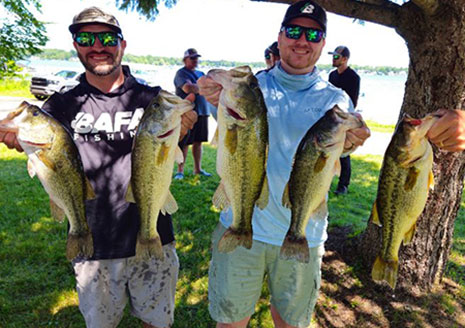
Bill Mathews and Kris Iodice continued their dominance at Diamond Lake, catching 13.65 pounds to win Saturday’s Southwest Michigan Anglers Club (SMAC) derby.
New Gear
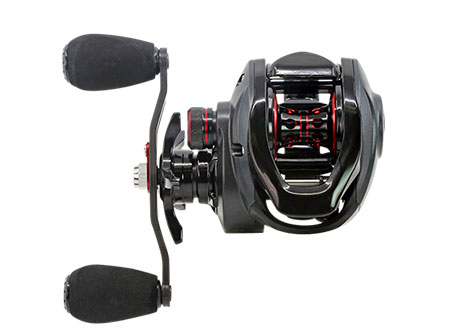
Okuma Fishing Tackle announces the all-new Eminent Baitcast Reel—a lineup of low-profile reels engineered to deliver refined design and performance at an unmatched value. The series introduces a distinctive audible drag click, giving anglers real-time feedback and heightened awareness when it matters most.
Newsflash


Quality Prizes Available in Riley Hospital Benefit Tournament Set for Wawasee
- Details
IBF Report
The Indiana Bass Federation will host another team bass tournament July 23 on Wawasee and Syracuse lakes to benefit the Riley Children’s Foundation.
Entry fee is $100 if paid before July 14th and $110 the day of the tournament. Hours are 7 am to 3 pm. The event will launch from the Syracuse ramp with parking at the nearby PolarKraft facility.
Last year’s event drew 56 boats and raised $3,000 for the Riley Children’s Foundation. It pays one place for every five entries up to 10 places, with 30 percent entry fees going to the Riley charity.
And that’s not all, as several additional quality prizes to be offered. Farm Bureau Insurance will guarantee a $1000 big bass award. Trailmaster Trailers is sponsoring the “Long Haul Award” which will pay $150 to the boat opener that travels the furthest from his/her home to fish the event, The Fraternal Order of Eagles of South Bend is hosting a trio of awards – a $100 gift card to the highest placed male/female team, $50 to the youngest angler and $50 to the most “seasoned” angler.
Tournament Groups Need to Do More to Protect Fisheries
- Details
By Louie Stout
Hey guys, we need to take better care of tournament fish we catch and that means doing more than tossing them off the end of a boat dock after a weigh-in.
I was contacted by a DNR official recently who told me he visited a northern Indiana public access the day after a tournament was held there. He counted 11 dead adult bass within 50 feet of the ramp. He said that was the second time in two years that he’s seen dead bass near the ramp after a tournament was held there.
The fish were released in a shallow channel where water quality was suspect.
“The fish now are stressed from the rapid water warmup and the spawning season,” the official said. “Please inform your readers to take extra precautions at all times, especially right now, when releasing fish.”
Page 53 of 285
Search




Advertise with Us!

Michiana Outdoors News provides advertisers a cost effective vehicle to target thousands of sportsmen across southern Michigan and northern Indiana.
Connect With Us