


- Details
By Louie Stout
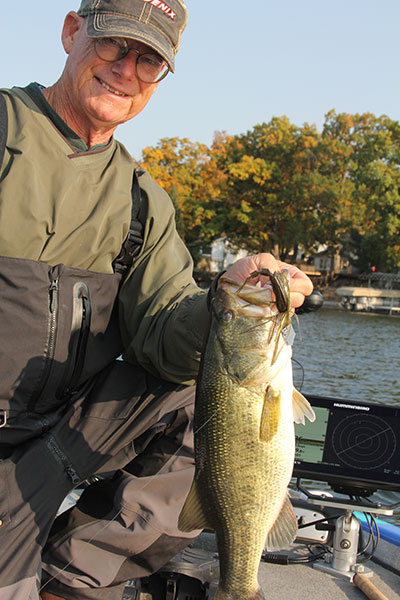
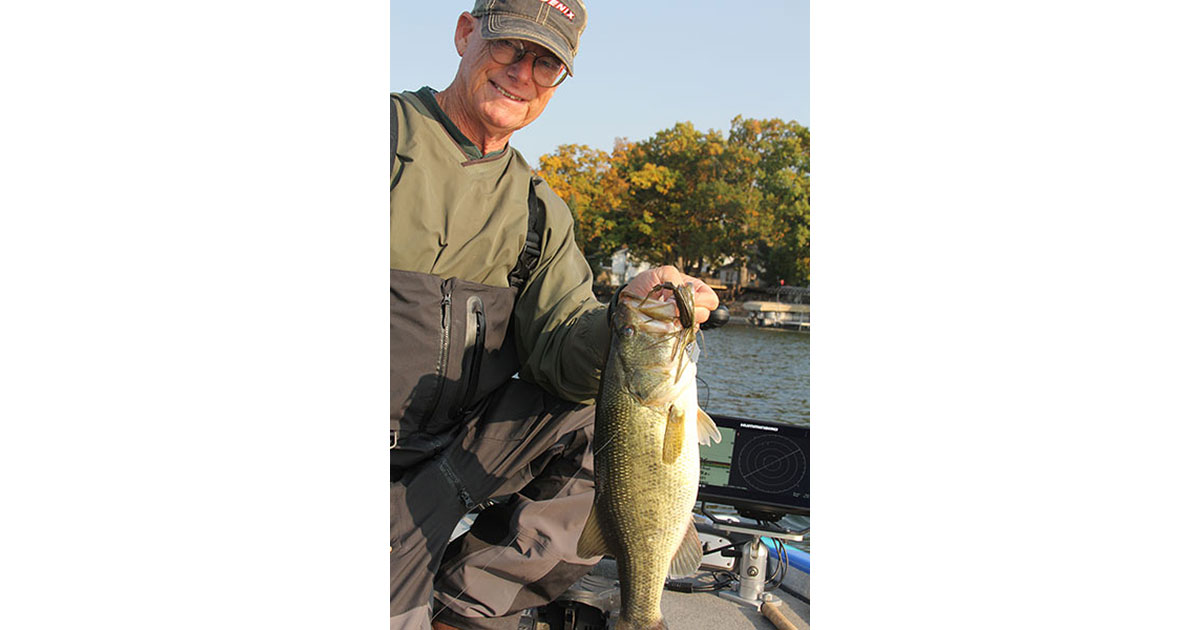
Michiana has been blessed with a lot of talented anglers who have shared their knowledge with other anglers. That’s one reason why this region produces so many quality fishermen.
One name that is well known among veteran anglers but likely unknown among the younger ones is Greg Mangus.
Ask any of the elder anglers who grew up in the South Bend/southwest Michigan area, and they will likely tell you Mangus taught them a lot about bass fishing during his days as a salesman at Lunker’s, once a prominent Edwardsburg, Mich. tackle shop. He created the “Mango Jig” that was one of the best grass jigs for years and later bought and refined CFlash crankbaits that have become one of the region’s best diving plugs.
He was a prominent bass tournament angler in Michigan and Indiana, winning 7 boats in major team tournaments and other events.
Mangus, who retired from the lure business, now lives in northeast Indiana where he has dialed back his tournament fishing but continues to fish locally and pass along his vast knowledge.
Here’s a Q&A we did with him:
MON: You worked for Lunker’s for about 6 years and were always willing to share your knowledge. What did you learn while working there?
Mangus: In addition to learning from customers, I learned a lot by watching fish in the 5,000-gallon aquarium in which we held game fish. When we fed the fish minnows, every fish in the aquarium would try to eat all the minnows that were weak or not normal. And then, at night, when we shut off the lights, the minnows that spent the day on the surface would make a run for the bottom and that would trigger a feeding frenzy.
And, in the morning when we turned on the lights, the minnows would rise to the top and there would be another frenzy feeding.
I also learned about the importance of salt in baits. I wanted us to stock tube baits with salt, but the owner didn’t. To prove my point, I would toss a tube in without salt and the fish might attack it but would spit it out. When I tossed in a salted tube, the bass would attack and swallow it!
MON: How did you come about creating the Mango Jig?
Mangus: I designed it to be more weedless for pitching jigs into wood cover on the river, but it turned out to be an awesome bait that would come through weeds better than traditional jigs.
MON: What about the CFlash crankbait?
Mangus: I was repping Solar Bat Sunglasses and the owner also owned CFlash, which he bought from a Kentucky Balsa Bait Builder. I started repping the crankbaits and after a while, the owner offered the brand to me. The balsa bodies were great, but we had an issue with the paint finish cracking and peeling, so friend Aaron Mast told me about the use of foam. I began clear coating the paint on the foam bodies and eliminated the problem. I sold the bait to Aaron when I retired.
MON: Some anglers say the old versions were better than the foam ones. What do you say about that?
Mangus: They are both good. I fish the new ones and don’t see a difference. I can tell you that a pro who set a record while winning a major tournament on St. Clair was using the foam-bodied CFlash, but of course, never told anyone.
MON: You’ve been in this area a long time and encountered anglers from around the country. How do you think Michiana anglers compare to others?
Mangus: Well, there have been a lot of notable anglers who have fished professionally and done extremely well, including Kevin VanDam and Mark Zona. The late Don Rank (Elkhart) fished a couple of Bassmaster Classics and Chip Harrison was quite successful during his pro career.
MON: You are not only noted for your outstanding tournament success before retirement, but you are equally known for your willingness to share information with others. Most anglers don’t like to give up their secrets. Why do you do that?
Mangus: That’s how I learned what I know. Sure, I spent a lot of time on the water, but the help I got from others played a major role in what success I have had. I had great partners over the years and have always believed you can learn something from everyone.
Greg Mangus Details
Hometown: Freemont, Ind.
Occupation: Retired lure maker and tackle rep
Favorite species and biggest: Smallmouth bass, 7.75 pounds from Pickwick Lake, Tenn., on a hair jig with a pork chunk.
Favorite Michiana lake: (Tie) Clear and Randall Lakes.
Hobbies when not fishing: Making baits for myself
If you on had one lure and why: Swim jig, because it catches big ones.
Favorite rod and reel: Daiwa spinning on a Dobyns Xtasy752.
Lew’s Baitcasting. Flipping and pitching model with Dobyns Extreme 784C.
Best tip to give a new Michiana angler: Fish with as many people as you can. You learn something from everyone. The success I’ve had is because I got to fish with so many different people.”
- Details
By Louie Stout
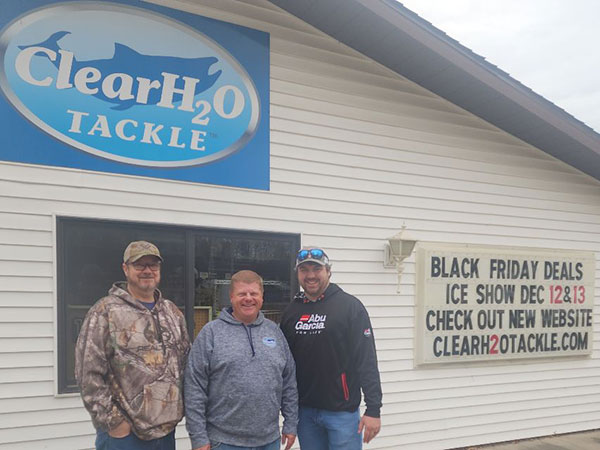
ClearH20 Tackle has new ownership.
Don’t worry, Darrin Schaap isn’t going anywhere but he’s turning the reins over to protégé Steven Szymczak and his father-in-law Mike Savage.
The Edwardsburg, Mich. tackle shop has been one of Southwest Michigan’s most popular stores for bass, walleye, trout and salmon tackle since Schaap started it nearly 15 years ago.
Szymczak began working there in his teens until a few years ago when he moved to Arizona. He came back and was ready to dive back into the tackle business.
“I felt it was time to give it new life and free me up to do other things while giving Steven an opportunity to run with it,” said Schaap. “I plan to stick around and work sales and be an advisor/consultant for a while.”
Schaap will also oversee boat repairs and boat storage that the shop also offers.
Brian Hensley will continue as a full-time employee and offer his vast knowledge and experience as one of the top bass anglers in the area.
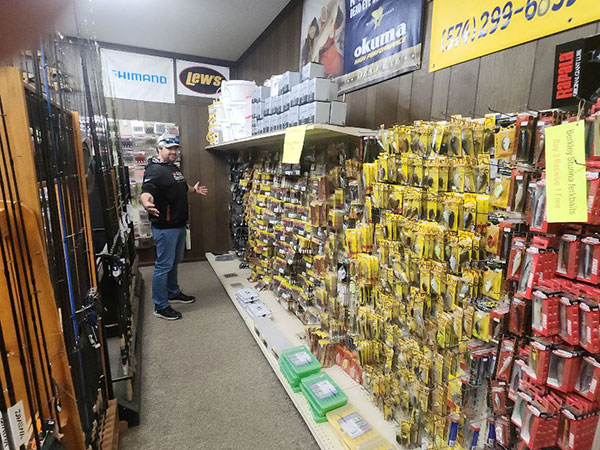
Szymczak, from Oscela, Ind., says he plans to make some changes “down the road” but will continue to specialize in bass, walleye and trout and salmon tackle.
“We’re expanding our bass tackle to include more Japanese lures that anglers are requesting,” he said. “We will continue to offer a variety of tackle to anyone, regardless of the kind of freshwater fish they wish to pursue.
Savage, who lives in Mishawaka and retired from the U.S. Air Force, will be the office manager, handle shipping and receiving and work sales. During his time in the military, he ran an air base maintenance shop and supervised more than 200 other airmen.
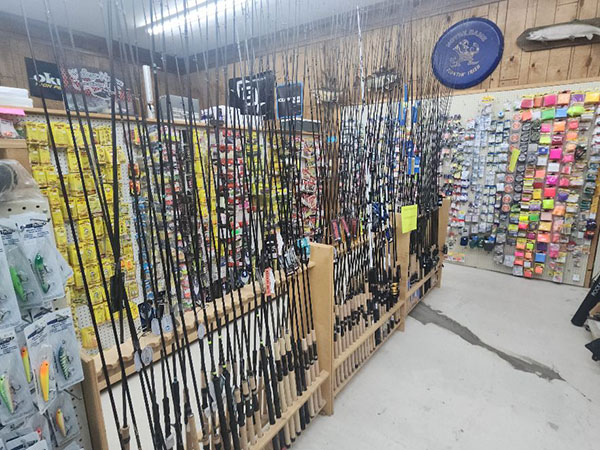
Most people don’t know that ClearH20 not only sells tackle locally, but also on the internet and ships product worldwide. Szymczak has given the website a face-lift to make it more user friendly. It enables Sportsmen to have the option of buying online and having it shipped to them or they can place an order on the website and pick it up later at the shop.
“If you want something and we don’t have it, we’ll get it for you within a couple of days,” said Szymczak. “Quality customer service has always been ClearH20’s expertise, and we plan to build on that further.”
The store will host its annual Winter Open House Dec. 12-13 with special promotions on all tackle and a special emphasis on ice fishing gear.
- Details
By Louie Stout
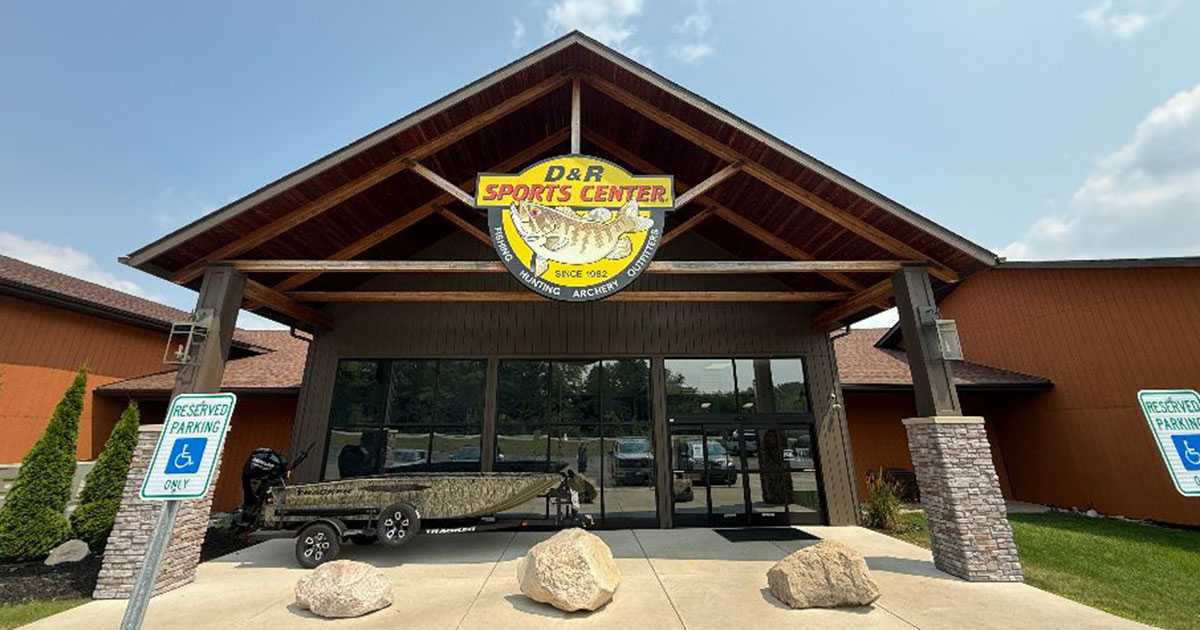
D&R Sports Center in Kalamazoo needs little introduction. It’s arguably one of the biggest independent outdoor stores and boat dealerships in the country.
And it continues to grow, with the most recent expansion of the retail store in 2021, to include a larger gun/hunting and tackle section and a separate boat showroom along with an expansive service department.
The boat service department offers 4 boat rigging bays, 9 service bays and 4 boat detail and delivery bays.
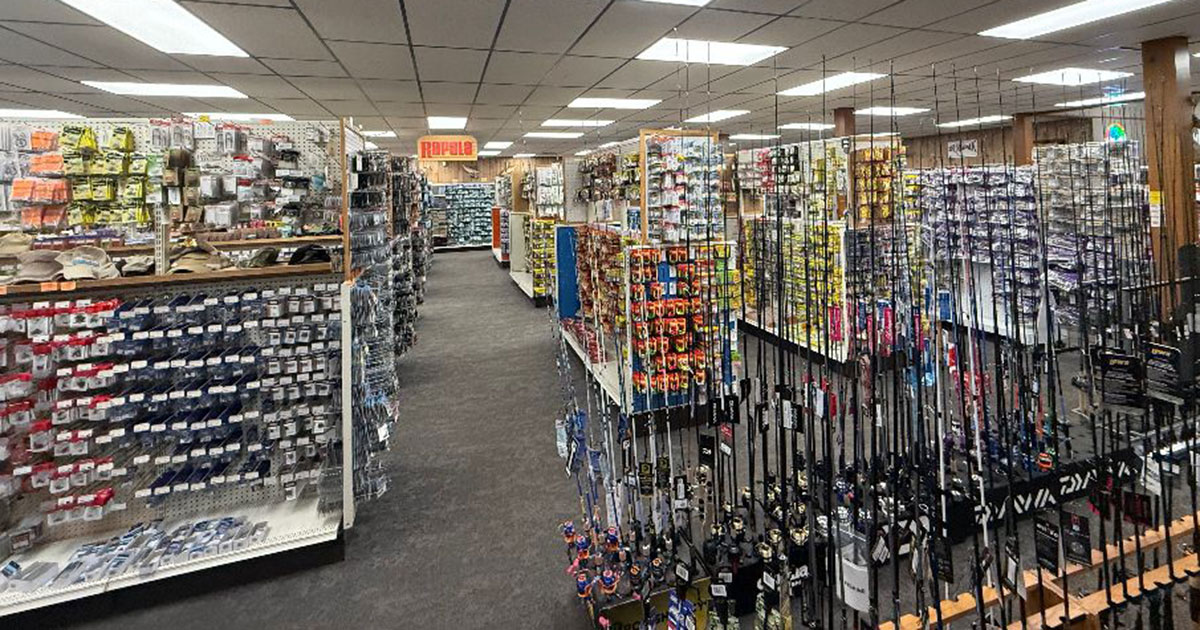
What began in 1982 as a 1,200-foot retail outlet has grown into 21,000 square feet of retail space, 9,000 square feet of boat showroom and 72,000 feet of indoor boat storage, says Jonathon VanDam, general manager of retail operations, and an accomplished pro tournament angler.
- Details
This article is another in our "Sponsor Spotlight" Series
By Louie Stout
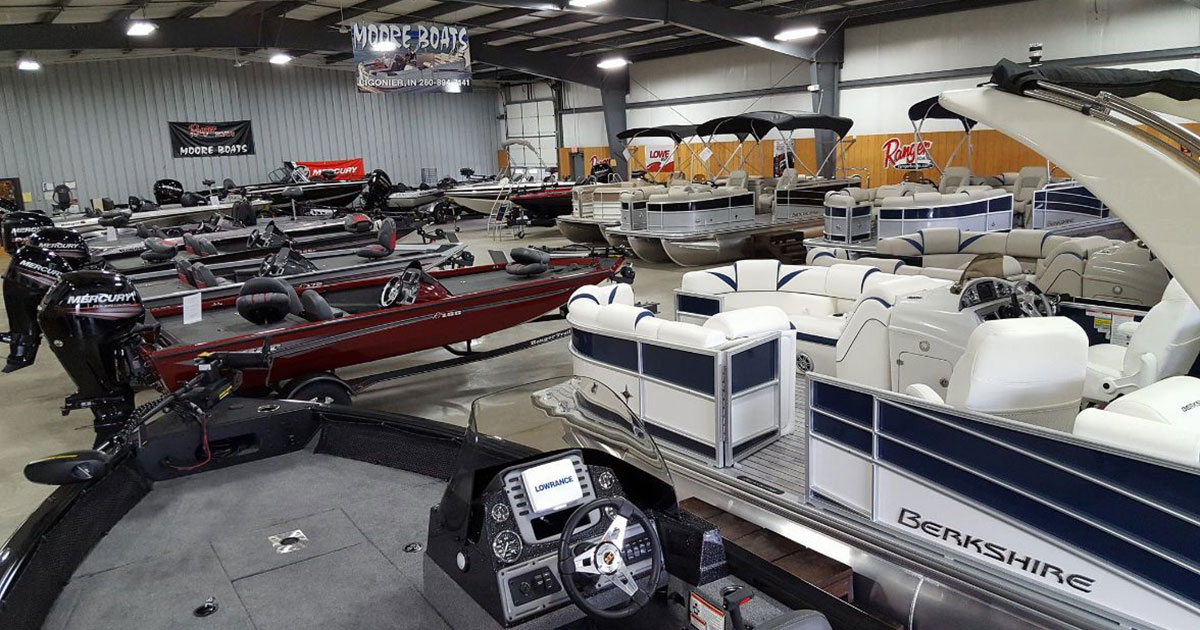
You’d be hard pressed to find a boat dealership with more experience than what Moore Boats in Ligonier, Ind. has to offer.
First, Todd Moore has owned the business for 32 years and his chief mechanic Dewey LeCount has been there throughout while fellow mechanic Ryan Grote has been there 17 years. In this era of mechanics jumping jobs, that speaks volumes to the shop’s commitment to providing solid service and stability.